
Behind the Scenes: How We Style a Bride Across All 6 Functions
Last Updated on May 18, 2026 by gradienteye
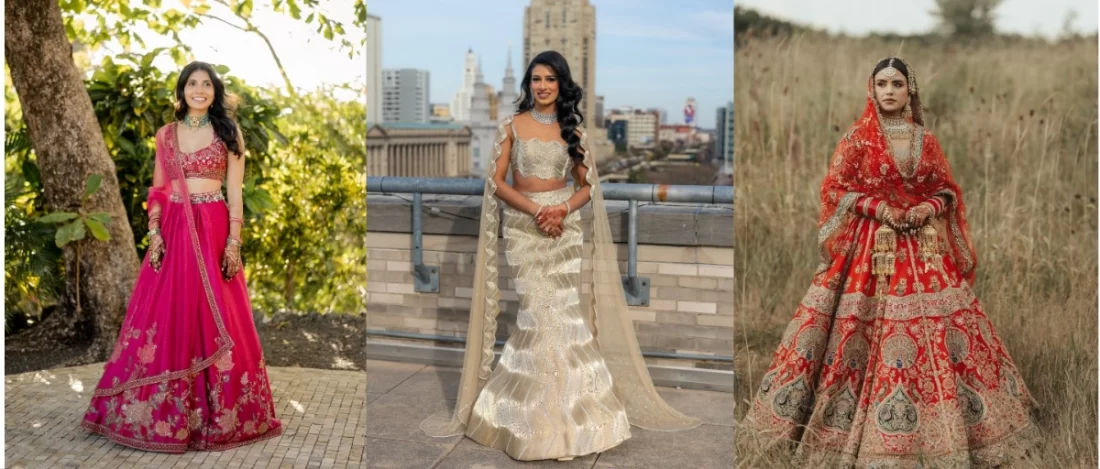
Indian weddings are no longer about a single bridal outfit. Today, every function tells its own story, from the playful chaos of the Haldi to the glamour of the cocktail night and the grandeur of the wedding day itself. For modern brides, style is about creating a cohesive fashion journey that reflects personality, emotion, comfort, and occasion.
At Styl Inc., the bridal styling process is designed to make every bride feel like the best version of herself across every event. From the first consultation to the final touch-up before the bride walks into her reception, the process involves planning, coordination, creativity, fittings, and a lot of behind-the-scenes problem-solving.
If you’ve ever wondered how to style a bride for all wedding functions, here’s an inside look at the complete bridal styling journey.
Where It All Begins: The First Call
Every bridal styling process in India begins with one thing: understanding the bride.
Before discussing designers, fabrics, or jewellery, the Styl Inc. team spends time understanding the bride’s personality, body type, lifestyle, and overall aesthetic preferences. Some brides prefer timeless elegance, while others want experimental, fashion-forward looks. Some prioritise comfort, while others dream of dramatic couture moments.
During the first consultation, the team asks detailed questions such as the following:
- What kind of wedding are you planning?
- What is the venue aesthetic?
- Which function matters most emotionally?
- What silhouettes make you feel confident?
- Are there any colours you absolutely love or dislike?
- How involved is the family in styling decisions?
This phase is critical because bridal outfit planning for all functions must feel cohesive while still allowing every event to have its own identity.
Budget discussions and timeline planning also happen early in the process. Whether the wedding is six months away or six weeks away, the team builds a realistic roadmap that balances fashion goals with practical execution.
Building the Mood Board: Translating Feelings Into a Visual Story
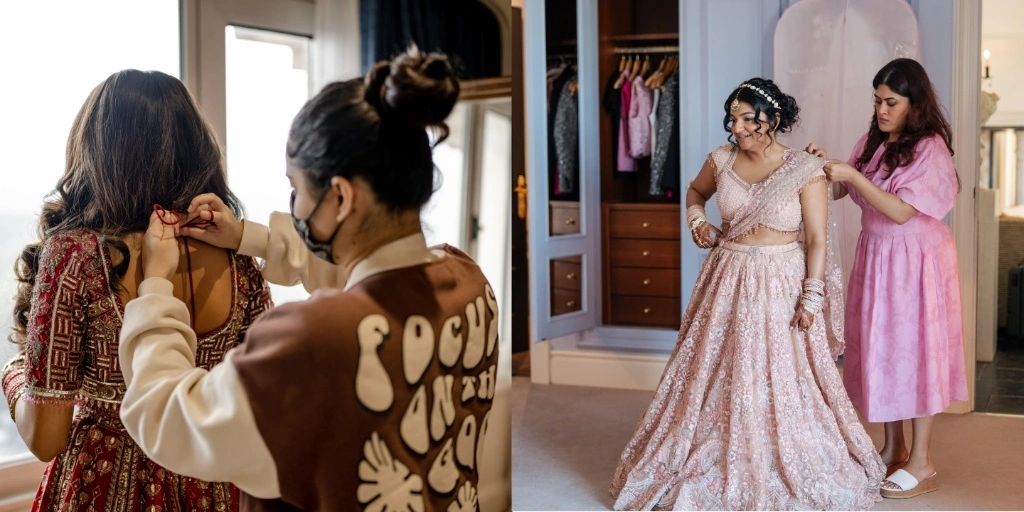
Image Source: Styl Inc
Once the bride’s vision becomes clear, the next step is creating the bridal mood board. This is where emotions become visuals. Mood boards help organise the complete bridal styling journey into a structured narrative. Instead of randomly selecting six different outfits, stylists carefully build looks that flow together beautifully.
For example:
- Haldi may focus on soft florals and fresh textures
- Mehendi may introduce vibrant colours and playful layering
- Sangeet may transition into glamour and movement
- A cocktail may lean modern and experimental
- Wedding Day styling may return to regal tradition
- A reception may close with sleek, contemporary elegance
Colour palette planning also plays a major role. Stylists ensure the bride’s looks don’t clash with family outfits, décor themes, or photography settings. Coordination matters because wedding albums tell one continuous story.
The mood board becomes the foundation for every future styling decision, from jewellery selection to draping styles and even makeup direction.
The Shopping Process — Personal Shopping Across 6 Looks
One of the most exciting parts of the process is shopping.
At Styl Inc., bridal outfit planning across all functions is approached strategically. Instead of spending disproportionately on one event, stylists help brides allocate budgets wisely across Haldi, Mehendi, Sangeet, Cocktail, Wedding, and Reception.
For example:
- Weddings and receptions often receive the highest allocation
- Mehendi and Haldi focus more on styling creativity than couture pricing
- Cocktail and Sangeet balance statement glamour with wearability
Stylists curate designer options based on the bride’s preferences, body type, and event requirements. This includes:
- Couture labels
- Emerging designers
- Custom outfits
- Jewellery sourcing
- Accessories
- Footwear coordination
For NRI brides or destination weddings, virtual bridal styling has become increasingly popular. Styl Inc. conducts online consultations, shares curated options digitally, coordinates deliveries, and manages virtual fittings seamlessly.
For in-person clients, shopping days are planned carefully to avoid decision fatigue. The goal is to simplify the experience rather than overwhelm the bride.
Function 1 — Haldi: Effortless, Glow-Ready & Photogenic
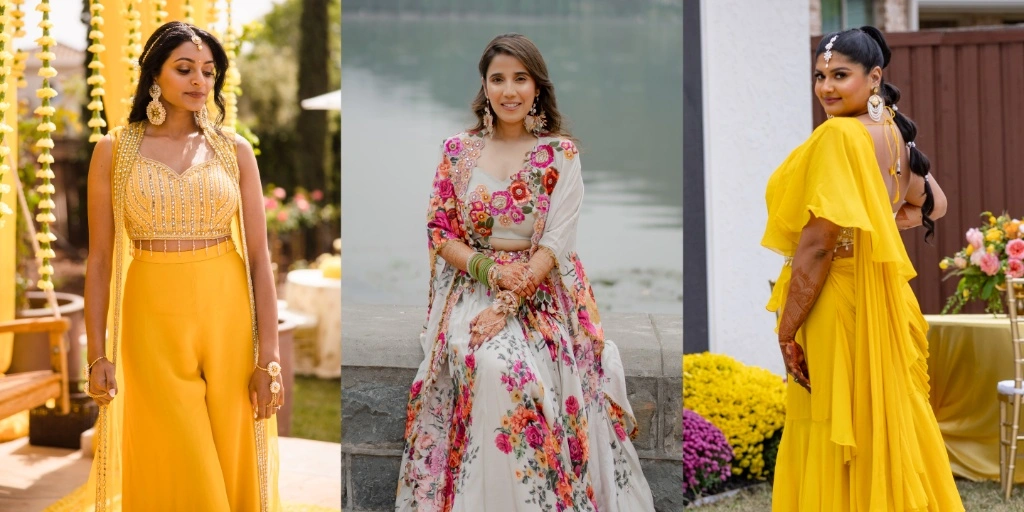
Image Source: Styl Inc
Haldi styling may look effortless, but it requires thoughtful planning. Since turmeric can stain fabrics permanently, stylists prioritize lightweight, breathable, and practical fabrics that still photograph beautifully. Comfort is essential because brides are constantly moving, sitting, laughing, and participating in rituals.
Popular haldi styling choices include the following:
- Organza sarees
- Lightweight lehengas
- Sharara sets
- Draped silhouettes
- Floral coordinate sets
Colour palettes often include yellows, ivories, peaches, lime greens, or soft pinks, depending on the wedding aesthetic. Minimal jewellery works best for haldi. Fresh floral accessories, lightweight earrings, and fuss-free hairstyles help maintain a natural glow-ready appearance. The philosophy behind Haldi styling is simple: the bride should look radiant without appearing overstyled.
Function 2—Mehendi: Colour, Comfort & Henna-Ready
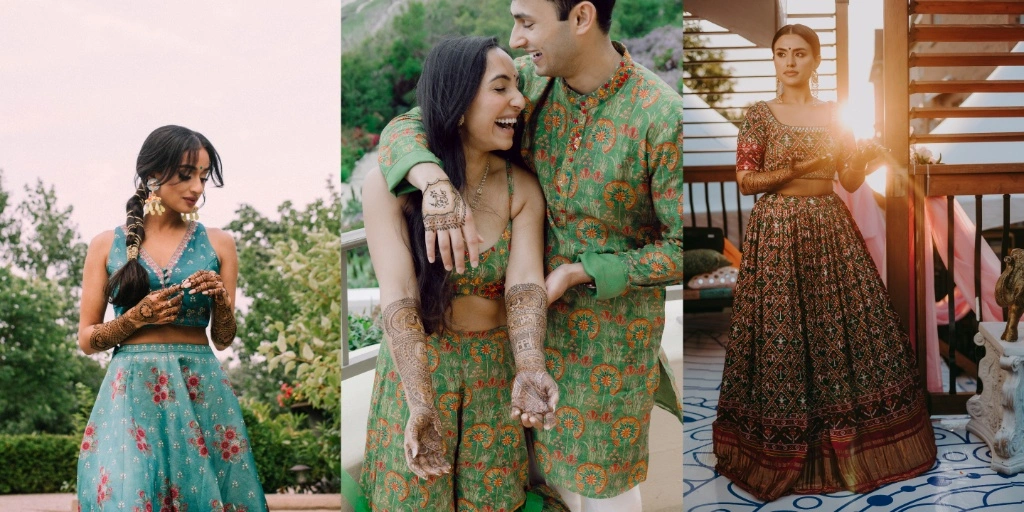
Image Source: Styl Inc
Mehendi styling revolves around movement, colour, and practicality. One of the biggest considerations during this function is sleeve design and silhouette selection. Since the bride’s hands and feet are occupied for hours during mehendi application, outfits must allow easy movement and comfort.
Stylists often recommend:
- Sleeveless or short-sleeve silhouettes
- Lightweight lehengas
- Cape sets
- Sharara outfits
- Pre-draped sarees
Outdoor Mehendi ceremonies also influence colour decisions. Bright shades such as fuchsia, lime green, orange, turquoise, and rani pink pop beautifully in daylight photography.
Accessories are layered thoughtfully because the bride needs to look complete both before and after mehendi application. Stylists ensure jewellery remains practical while still creating visual impact. Comfort becomes just as important as aesthetics during this stage of the wedding styling checklist.
Function 3 — Sangeet: Dance-Ready Glamour Under the Lights
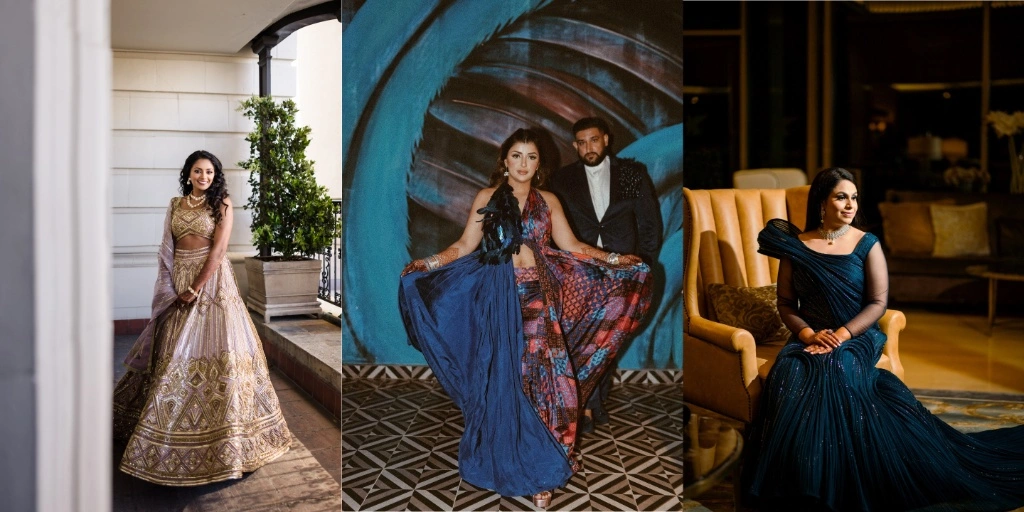
Image Source: Styl Inc
Sangeet styling is where performance meets fashion. Unlike other functions, Sangeet outfits must move beautifully while also looking glamorous under stage lighting and on camera. Stylists pay close attention to fabric movement, weight distribution, and comfort because brides often dance for extended periods.
Key styling considerations include:
- Lightweight can-cans
- Breathable lining
- Flexible silhouettes
- Secure draping
- Comfortable footwear options
Sequins, mirror work, and embellishments can behave differently under venue lighting. Stylists often test looks under similar lighting conditions to ensure the outfit photographs well without appearing too reflective or washed out. Hair and jewellery coordination also becomes performance-focused. Heavy accessories that interfere with choreography are avoided. The result is a glamorous look that feels effortless even during high-energy performances.
Function 4 — Cocktail: The Modern Bride Moment
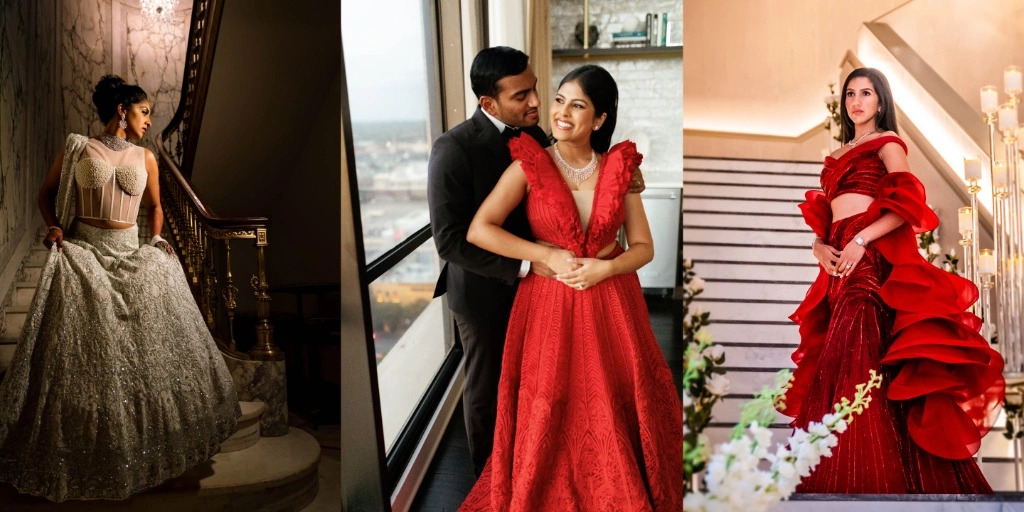
Image Source: Styl Inc
The cocktail function often gives brides the freedom to experiment. This is where traditional bridal expectations relax slightly, allowing room for gowns, draped sarees, corsets, structured silhouettes, and Indo-Western styling. Many brides use a cocktail night to showcase a bold fashion personality that differs from the traditional wedding aesthetic.
Popular cocktail choices include the following:
- Sequinned gowns
- Metallic draped sarees
- Structured lehengas
- Corset blouses
- Contemporary couture silhouettes
The challenge for stylists is maintaining cohesion across the bridal styling journey while allowing this function to feel distinct. Hair, jewellery, and accessories become more fashion-forward during cocktail styling. Statement earrings, sleek hairstyles, dramatic makeup, and bold accessories often take centre stage. The cocktail look usually reflects the bride’s most experimental fashion moment.
Function 5 — Wedding Day: The Grand Finale of Styling
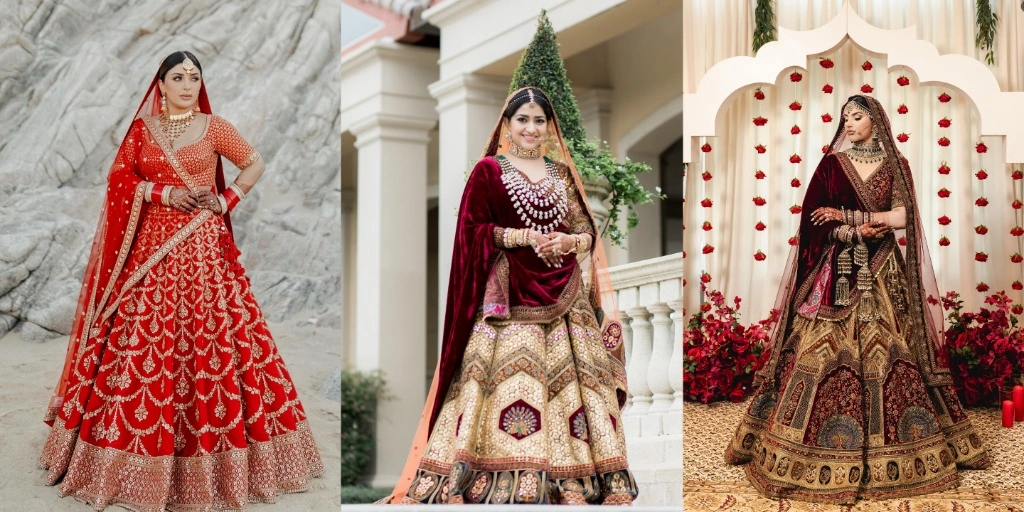
Image Source: Styl Inc
The wedding day is the most emotionally intense part of the bridal styling process. Months of planning lead to this moment, and every detail matters.
Wedding styling involves multiple layers of coordination:
- Outfit steaming and preparation
- Jewellery sequencing
- Dupatta draping
- Veil management
- Footwear coordination
- Emergency touch-ups
Bridal stylists also coordinate the bride and groom’s looks to ensure visual harmony in photographs. Colour balance, embroidery coordination, and styling consistency all contribute to the final wedding aesthetic.
The pressure on wedding day styling is immense because timelines are often unpredictable. Delayed makeup artists, last-minute blouse issues, broken hooks, or missing jewellery can quickly create chaos. This is where experienced stylists become invaluable. There are countless behind-the-scenes moments no one sees — fixing torn seams minutes before the pheras, adjusting dupattas between photos, or improvising jewellery placements after unexpected changes. A calm styling team can completely transform the bride’s experience during stressful situations.
Function 6 — Reception: The Transformation Look
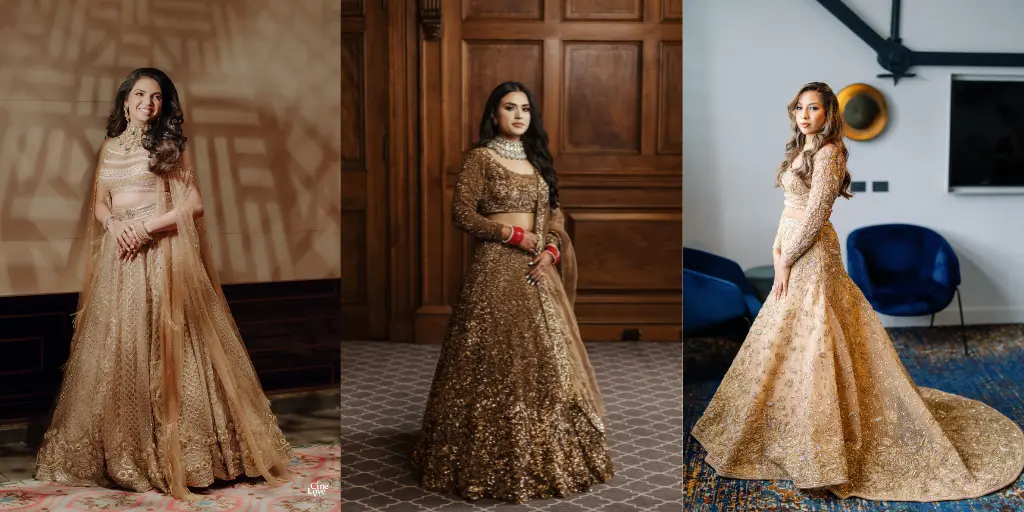
Image Source: Styl Inc
Reception styling marks the final transition in the bridal fashion story. After the grandeur of the wedding ceremony, many brides prefer a more refined and contemporary look for the reception. Stylists help create a transformation that feels elevated yet effortless.
Popular reception choices include:
- Draped gowns
- Crystal sarees
- Structured Indo-Western outfits
- Contemporary lehengas
- Satin drapes
The accessory edit becomes extremely important during this stage. Heavy bridal jewellery is usually reduced, allowing cleaner styling and modern elegance to take over. Reception styling often focuses on sophistication rather than volume, helping the bride feel relaxed after the intensity of the wedding ceremony.
The Fittings Process — Why Trials Matter More Than People Think
Fittings are one of the most underestimated parts of bridal styling. Styl Inc. recommends multiple fitting sessions for each important function, especially for the Wedding Day and Reception looks.
During fittings, stylists evaluate far more than just fit. They assess:
- Movement comfort
- Dupatta balance
- Heel height compatibility
- Jewellery weight
- Blouse support
- Fabric fall
- Sitting and walking comfort
A bridal outfit may look stunning while standing still but become uncomfortable during real movement. Trials help identify these issues before the wedding day. Brides are also encouraged to give specific feedback during fittings. Instead of saying “something feels off,” it helps to explain exactly what feels uncomfortable or visually unbalanced. Good fittings are the difference between a bride who constantly adjusts her outfit and one who feels confident throughout the celebration.
The Emergency Kit — What Every Styl Inc. Stylist Carries on the Day
No wedding styling process is complete without an emergency kit. Stylists carry detailed kits designed to handle last-minute fashion emergencies quickly and discreetly.
Typical essentials include the following:
- Safety pins
- Fabric tape
- Needle and thread
- Hook replacements
- Fashion clips
- Heel protectors
- Stain remover
- Backup jewellery
- Hair essentials
Real wedding emergencies happen more often than people realise. A lehenga zip may break minutes before the baraat arrives. Earrings may go missing during bridal portraits. Dupattas may refuse to stay in place because of weather conditions. An experienced stylist learns how to solve problems calmly under pressure while keeping the bride stress-free. Most guests never realise how many small fashion crises were fixed behind the scenes.
What Makes the Styl Inc. Bridal Journey Different
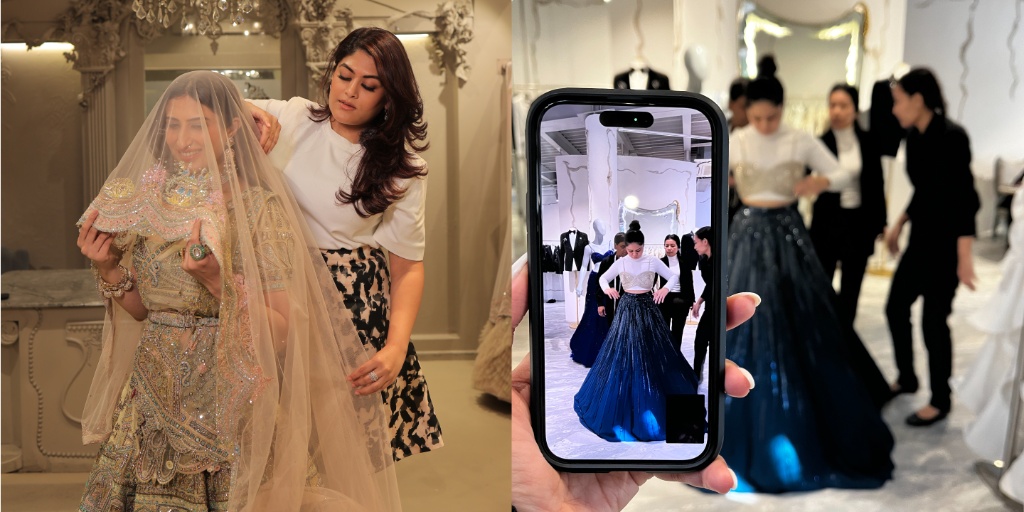
Image Source: Styl Inc
At Styl Inc., bridal styling goes beyond fashion. The process is deeply emotional because weddings are emotional experiences. Brides often feel overwhelmed balancing family expectations, personal preferences, budgets, timelines, and social pressure. Stylists become more than coordinators — they become support systems. The team works closely with brides across both virtual and in-person touchpoints to ensure the experience feels smooth, organised, and collaborative.
From the first mood board to the final Reception look, every step is designed to reduce stress while helping the bride feel confident, beautiful, and fully herself. The goal is never to transform the bride into someone else. The goal is to elevate her personality through thoughtful styling.
Final Thoughts: Behind Every Beautiful Bride Is a Team
Behind every perfectly styled bridal photograph is an enormous amount of planning, coordination, creativity, and teamwork. The complete bridal styling journey involves far more than selecting outfits. It requires storytelling, organisation, technical styling expertise, emotional support, fittings, problem-solving, and attention to detail across every single function.
Whether it’s the glow-ready freshness of the Haldi, the playful colour story of the Mehendi, the glamorous energy of the Sangeet, or the grandeur of the Wedding Day, each event deserves intentional styling that reflects the bride’s unique personality. That’s the real behind-the-scenes magic of bridal styling.
Until next time.
Keep It Styl’ish,
Lakshita Vohra Manchanda
No Comments