
Everything You Need To Know Before Wedding Shopping
Last Updated on June 19, 2026 by gradienteye
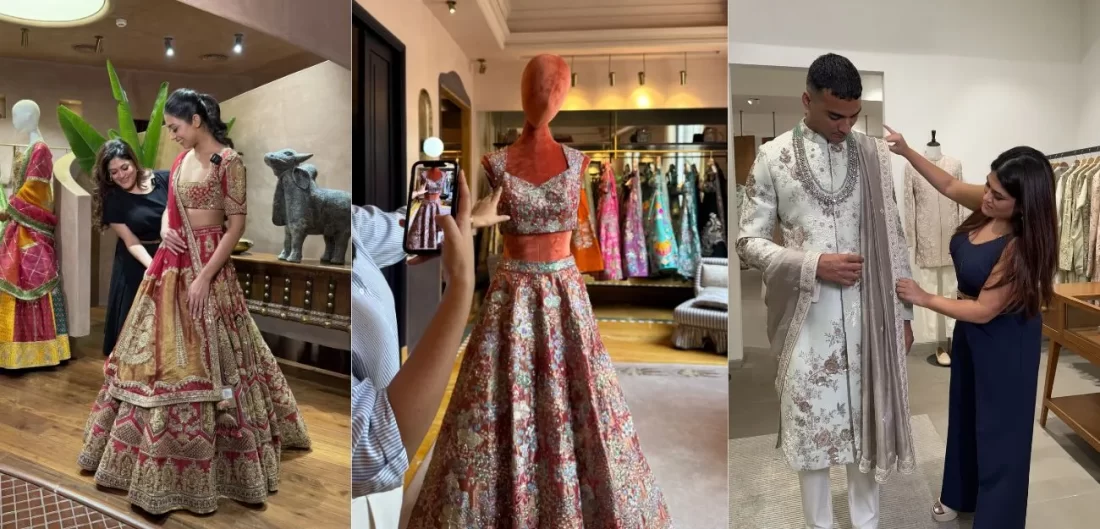
More often than not, brides fail to realize that wedding shopping can take anywhere between four and six months. From exploring different stores and comparing budgets to keeping up with the latest trends, the process involves careful planning and attention to detail. That’s why having a wedding styling guide can help ensure a smooth and stress-free experience.
Whether it’s selecting outfits for different ceremonies or coordinating looks with the wedding theme, wedding wardrobe planning plays a crucial role in bringing everything together. A well-planned wardrobe not only simplifies decision-making but also helps brides achieve a cohesive and elegant look throughout their wedding celebrations. Here is a a breakdown of what you need to know before shopping for your wedding. Looking for real- life bridal inspiration? Explore Sumaiya and Nick’s portfolio to a see how a clear bridal vision makes wedding shopping more focused, cohesive and effortless.
Why Preparation Changes Everything
What happens when brides shop without a plan
Shopping for a wedding without a plan can lead to common problems, which is why following a wedding shopping guide is essential. Here are some of the key reasons:
Overspending
Following a practical bridal shopping guide for India can help you avoid shopping without a clear plan, which often leads to overspending and can inflate your budget more than intended.
Duplicate or unnecessary purchases
You may end up buying unnecessary items you don’t need or duplicates of what you already have, wasting money and effort.
Time pressure and stress
Last-minute shopping can result in limited choices and lead to impulsive buying, increasing stress and frustration.
A simple wedding outfit timeline to follow before you step into any store
Source: Styl Inc
Function
If you’re wondering how to start bridal shopping, begin by planning your outfits and assigning them to different ceremonies. ( engagement, mehendi, haldi)
Book outfits by
One of the most important wedding fashion planning tips is to book your outfits 4-6 months before the wedding to allow enough time for customization, fittings and alterations.
Wedding lehenga or saree
Choosing between a lehenga and a saree can feel overwhelming. To make the decision easier, consider factors such as the season, venue, and time of the event and your personal comfort.
6 months before the wedding
Choosing your outfits 6 months before the wedding helps you avoid mistakes and last-minute bridal shopping stress.
Sangeet and cocktail
Choose your sangeet and cocktail outfits 4-5 months before the wedding to allow enough time for customization, fittings and alterations.
Mehendi and haldi
Select mehendi and haldi outfits 3-4 months before the wedding and organize them individually to ensure seamless preparation.
Accessories and jewellery
Choose accessories and jewellery 2-3 months before the wedding to allow time for customization, fitting and coordination with your outfit.
Step 1: Map Your Functions Before You Shop For Anything
Source: Styl Inc
List every function you need an outfit for
Select outfits for different wedding functions, allowing enough time for comfort, coordination and alterations. Prepare a wedding outfit shopping checklist based on your budget and styling preferences.
How function mapping tells you how many outfits you actually need
Function mapping helps you determine how many outfits you need for different functions. For example, a wedding may include functions such as mehendi, haldi, sangeet and reception. By mapping all these functions, you can see which outfits can be reused for another event and which functions require separate outfits.
Step 2: Set A Wardrobe Budget Before You Fall In Love With Anything
The 10-15 percent rule for wedding wardrobe budgets
The 10-15 percent rule for wedding wardrobe budgets is a common budgeting recommendation that suggests couples set aside about 10-15 % of their total wedding budget for attire and related fashion expenses.
For example:
Total wedding budget 15,00,000
Wardrobe budget (12%) 15,00,000* 12%= 1,80,000
This allocation covers
- Bride’s outfits
- Groom’s outfits
- Footwear
- Jewellery
- Accessories
- Alterations and tailoring
- Hair and makeup
How to split your budget across functions
A useful way to split your wedding shopping budget across functions is to allocate more to the events where guests are more likely to attend and less to those where guests are less likely to attend.
| Function | % of total budget |
| Wedding ceremony + main reception | 45 – 55% |
| Sangeet | 15 – 25% |
| Mehendi and haldi | 10-15% |
| Engagement | 10-15% |
| Contingency reserve | 5-10% |
Hidden costs brides often forget
The costs most brides forget include:
- hair and makeup trial sessions
- Alterations
- Dress steaming or pressing
- Bridal accessories
- Undergarments and shapewear
- Emergency beauty treatments or touch-ups
Wedding party costs:
- Gifts for bridesmaids
- Hair and makeup for the bridal party
- Transportation for the wedding party
Step 3: Research Before Every Appointment
Source: Styl Inc
How to build a mood board per function
Create a separate mood board for each wedding function, as each event is one of a kind. Start by defining the vibe and theme you want and collect inspiration for colors, decor, lighting, and venue. Collect visuals that complement the event. Identify common patterns and finalize a color palette and design direction. A well-curated mood board helps understand your vision.
Shortlisting designers, boutiques and markets before you visit
Before you visit, research and shortlist designers, boutiques and markets that match your style, preferences and budget. Read reviews, browse collections online and check out operating hours. If needed, book appointments in advance. A well-planned shortlist makes your shopping more efficient and stress-free.
Know your body type and silhouettes before you walk in
Before you start shopping, understand your body shape and the silhouettes that complement you best. Knowing which cuts, fits, and styles complement your proportions helps you make confident choices and avoid unnecessary purchases.
What To Carry For Every Shopping Appointment
The right undergarments and heels you plan to wear
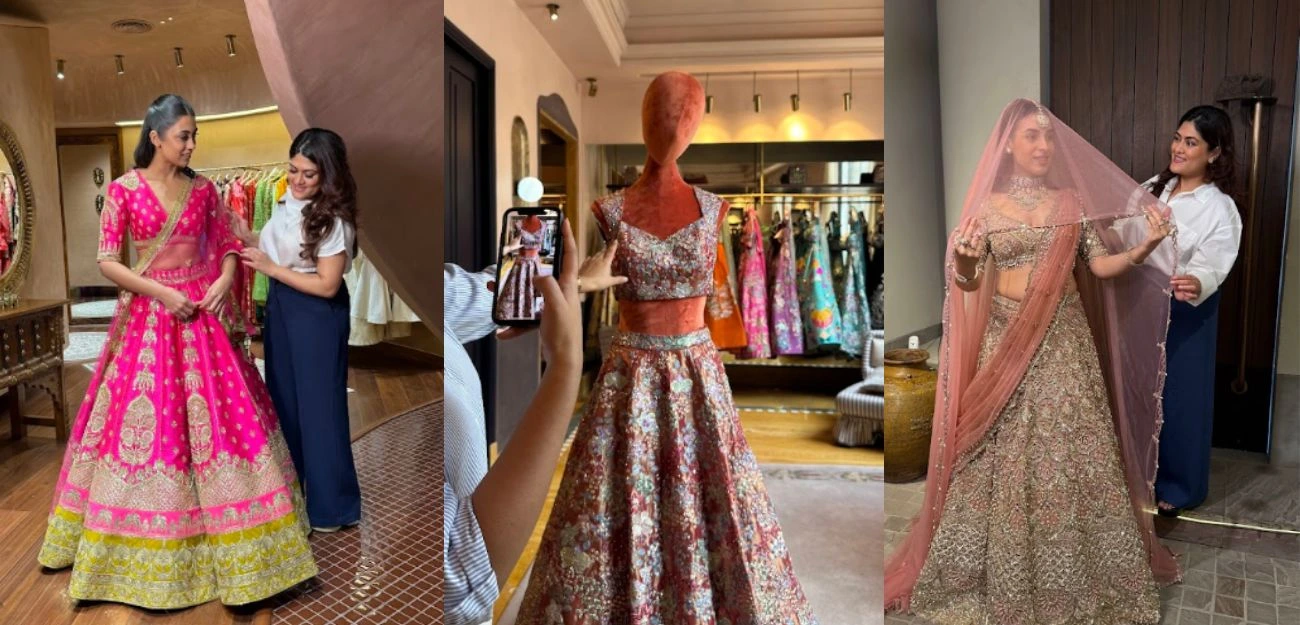
For a bridal appointment checklist bringing the right undergarments and heels is crucial to see if an outfit fits you well. The right shoes influence the drape, length and proportion of clothing. Proper undergarments support your silhouette, ensuring the garment enhances your body type.
Your measurements should be written down before you arrive
Have your measurements written down before arriving for the shopping appointment. This helps us prepare your fitting more efficiently and reduces waiting time. Be sure to include measurements such as waist, hips, shoulder width and height, as well as sleeve and dress length.
References images with specific images, not just Pinterest folder
For your shopping appointment, please bring specific reference images that clearly show the style, design, or outfit you are looking for. Avoid sending general Pinterest folders or large collections- each image should clearly represent your preference, so the store staff can understand your requirements.
What To Check At Every Fitting Beyond Just Fit
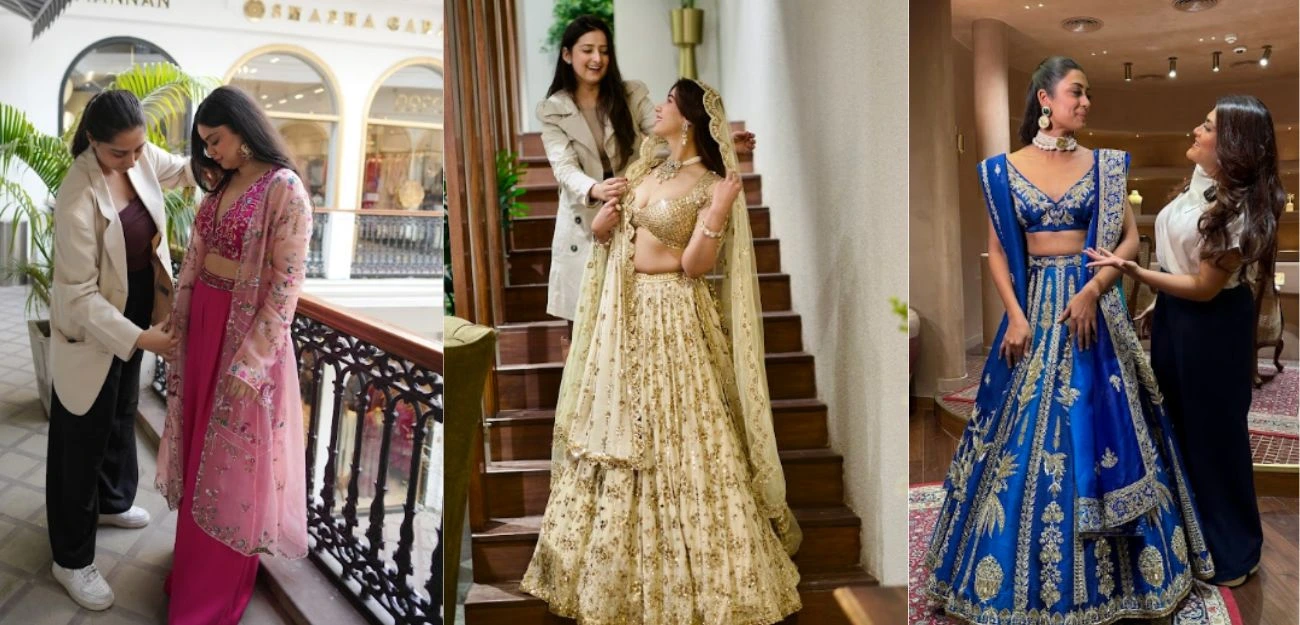
How does the weight feel after 10 min of wearing it
After 10 minutes in your wedding dress, you may feel the weight on your shoulders, waist and hips. Heavy embellishments, long trains and multiple layers of fabric can become tiring while standing or walking around. A well-fitted dress improves comfort and ease of movement.
Can you sit, dance and climb the stairs
When trying on a wedding outfit, check that you can move freely.
- Sit down: ensure it isn’t too tight
- Walk and climb a few stairs: test length, weight and mobility.
- Dance or move around: confirm it allows ease of movement
How does it photograph under a phone flash
A wedding outfit can appear different under a flash from a phone than under natural lighting. Bright fabrics may appear lighter, while shiny embellishments can look more sparkly. And some dark colors may lose some of their texture and detail.
The Groom’s Wardrobe Is Not An Afterthought
Source: Styl Inc
Why groom shopping is always left too late
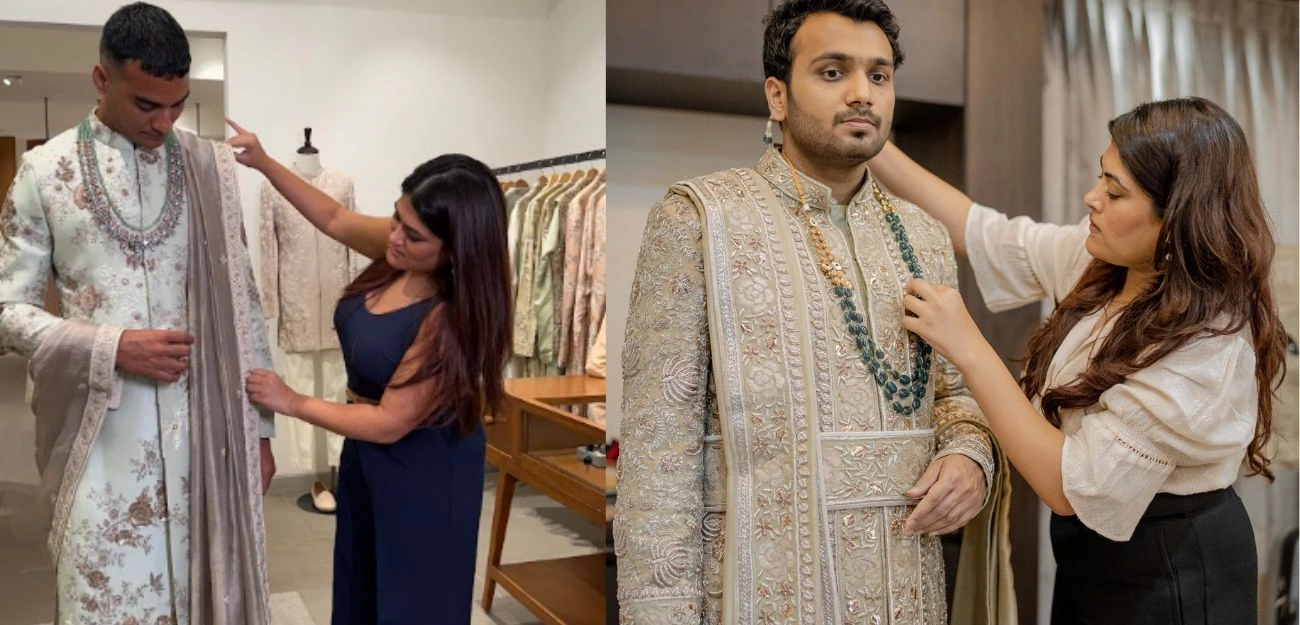
Groom’s shopping is often left until the last minute because most wedding preparations revolve around the bride’s preparations. Most people assume that the groom’s outfit is easier to pick, resulting in others’ tasks becoming the main focus.
What the groom must finalize in person
The groom must finalize his outfit in person to ensure a tailored fit and comfort. Key details, such as measurements, fabric and color coordination, should be checked firsthand.
How to coordinate the groom and bride’s looks from the start
To coordinate the groom’s and bride’s outfits from the start, either partner can begin by choosing a neutral- colored outfit featuring multiple colors, so that the other partner can choose an outfit from the same color palette.
The Family Wardrobe Plan
Why leaving family outfits to each family member is a mistake
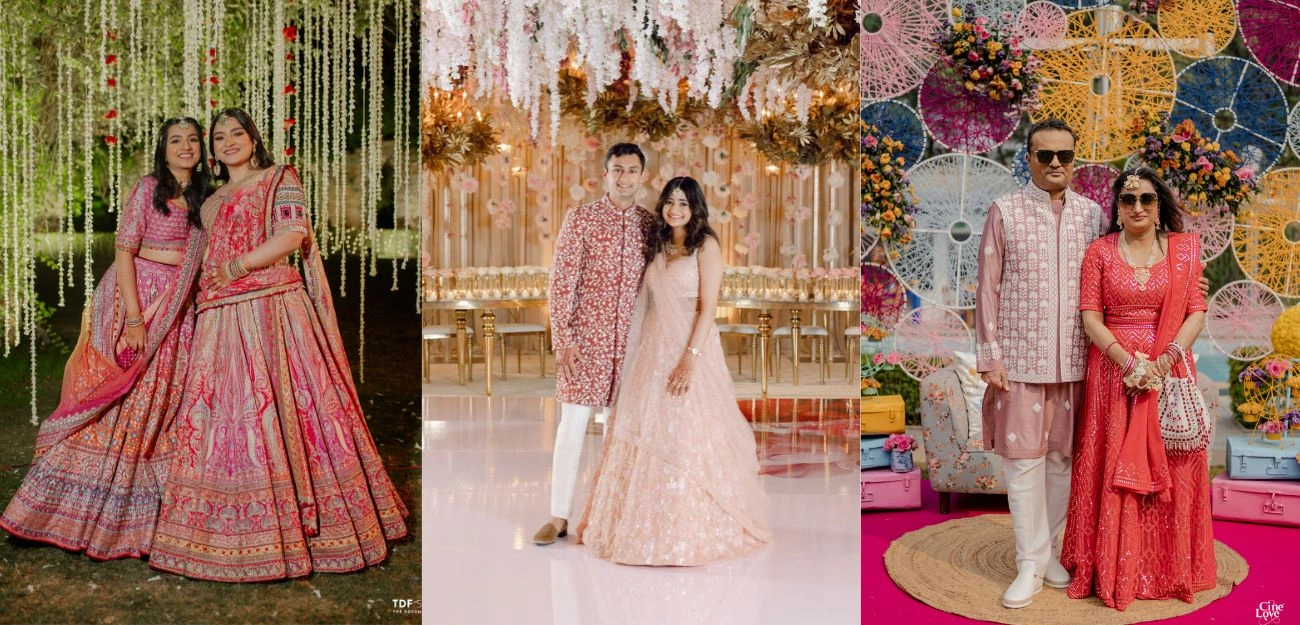
Leaving the family outfit to each family member is a mistake if the goal is to look coordinated, such as for family photos and wedding portraits.
Building one color palette before anyone shops independently
Building a color palette before anyone shops individually is a smarter approach, as it reduces the need to wear an identical outfit, creating a cohesive look.
Red Flags to Watch While Shopping
Stores that do not allow fittings without full payment
Reputable retailers offering bespoke outfits do not charge full payment before a fitting. Instead, they charge 20-50% of the outfit and charge the balance only after the final fitting.
The phrase every bride should be cautious of: it will look different once it is stitched
Sometimes it’s a reassurance, but other times it is a red flag. Asking for sketches, fabric samples and clear details helps you understand whether your dream outfit will truly flatter you.
How Styl Inc Manages The Entire Shopping Process For Their Clients
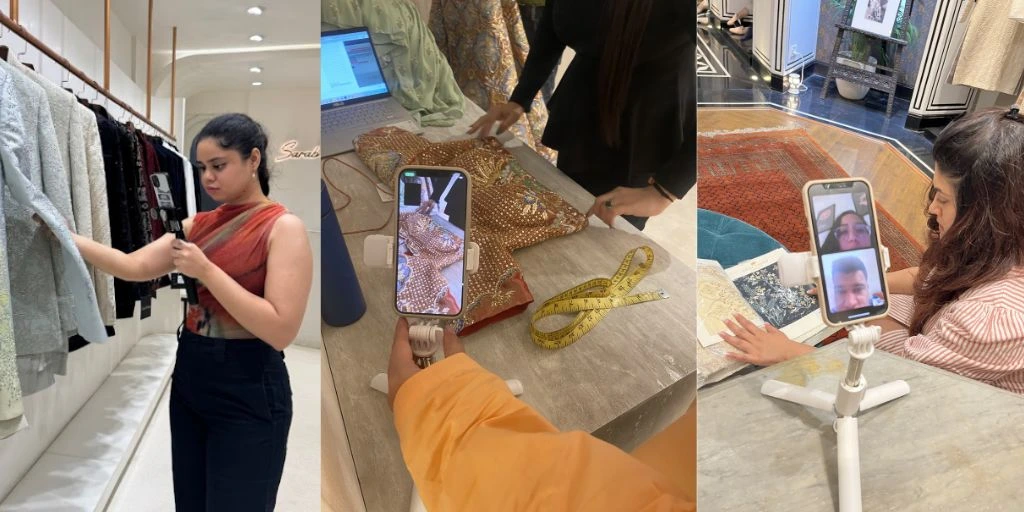
Styl Inc handles the pre- shopping briefing, designer appointment booking, personal shopping support, fitting supervision and post -departure management for NRI brides
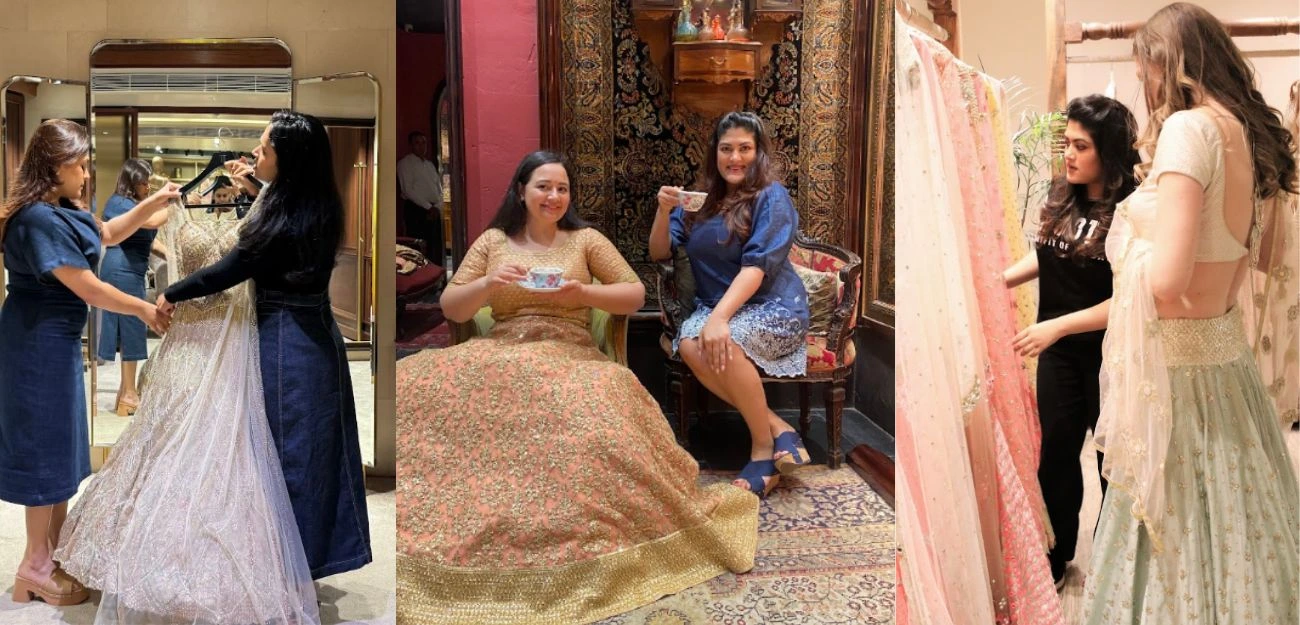
From understanding their clients style preferences to curating outfits and assisting with purchases, Styl Inc streamlines the shopping experience from start to finish. The process typically includes personalized consultations, outfit recommendations, store or brand selection, styling guidance and support throughout the shopping journey to help clients make confident choices.
Conclusion
Wedding shopping is more than just choosing an outfit- its about finding styles that reflect your personality and make you feel your best on your special day. With careful planning, a clear budget and enough time for fittings and alterations ensures a seamless wedding shopping experience.
Until next time
Keepin’it stylish,
Aparna Iyer
No Comments