
Gujarati Wedding Rituals: What to Wear for Garba, Pithi & Every Ceremony
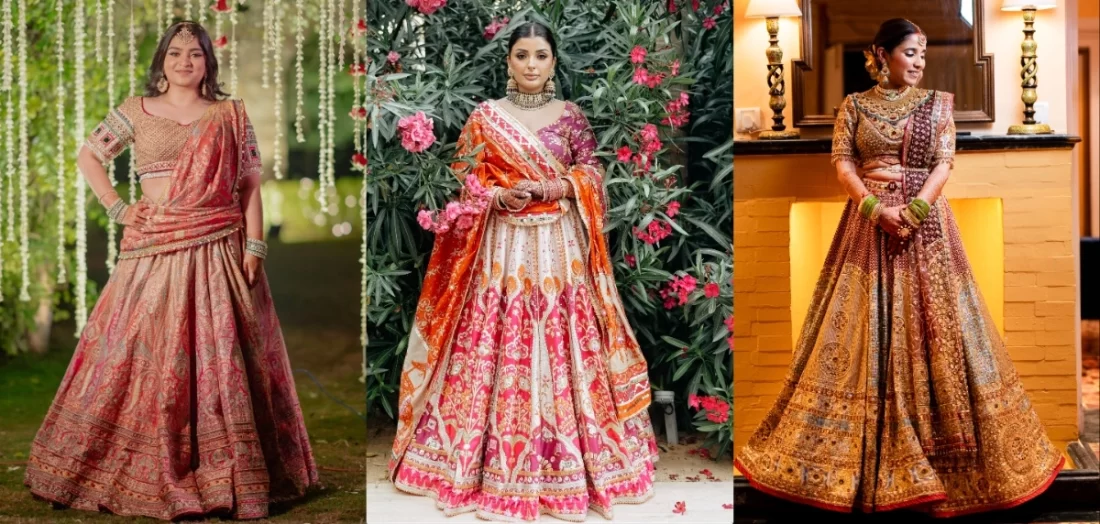
Last Updated on October 28, 2026 by gradienteye
A Gujarati wedding is a celebration of culture, colour, family, and tradition. From the turmeric-filled Pithi ceremony to energetic Garba nights and the main wedding rituals, every function brings its own atmosphere and dressing requirements. Understanding Gujarati wedding rituals and what to wear helps you choose outfits that feel appropriate for each occasion while reflecting your personal style.
Unlike weddings where most pre-wedding functions follow a similar dress code, Gujarati celebrations often combine intimate family gatherings, traditional rituals, dance nights, and elaborate ceremonies. A lightweight yellow outfit may be perfect for Pithi, while a colourful chaniya choli or mirrorwork ensemble works beautifully for Garba. The main wedding ceremony, meanwhile, may call for a traditional panetar saree, a bridal lehenga, or an elegant sherwani for the groom.
Family members also need outfits that balance tradition, comfort, and coordination across multiple functions. With thoughtful planning, you can create a wardrobe that feels cohesive without repeating the same look at every event.
This Gujarati wedding traditions guide covers the major ceremonies and explains what the bride, groom, and family can wear for each one. From outfit ideas for the Pithi ceremony to traditional bridal attire and practical styling tips, here is how to plan your wedding wardrobe with confidence.
An Overview of Gujarati Wedding Rituals
Gujarati weddings bring together regional customs, religious traditions, and family-specific practices. The ceremonies and their sequence vary depending on the community, family preferences, and the scale of the celebrations.
The Typical Sequence of Gujarati Wedding Ceremonies
Chandlo Matli: This ceremony often marks an important pre-wedding milestone in Gujarati Hindu communities. Traditionally, it involves the application of a chandlo, or auspicious mark, alongside the exchange of a matli and other customary gestures. An embroidered suit, a silk saree, or a formal kurta-pyjama works well for this gathering.
Pithi: Similar in purpose to Haldi ceremonies in other Indian wedding traditions, Pithi involves applying a turmeric-based paste to the bride and groom. Yellow outfits, lightweight fabrics, and simple silhouettes are popular choices.
Mameru: This tradition is associated with gifts and blessings from the bride’s maternal family in many Gujarati communities. Traditional sarees, embroidered suits, and festive lehengas are suitable for the occasion.
Garba: One of the most recognisable Gujarati celebrations, Garba combines music, circular dance formations, and colourful traditional clothing. Women often wear chaniya cholis, while men choose kediyu-dhoti ensembles or festive kurtas.
Sangeet: This function centres on music, dance performances, and family celebrations. Embroidered lehengas, shararas, Indo-Western outfits, and formal kurtas are popular options.
The main wedding ceremony: The bride may wear a panetar saree, a gharchola, a bridal lehenga, or another traditional ensemble. The groom may choose a sherwani, an achkan, or a traditional dhoti-based outfit.
Ashirwad and post-wedding gatherings: These occasions involve blessings and family interactions, depending on the customs followed. Elegant sarees, suits, sherwanis, and versatile festive outfits are appropriate choices.
The sequence is not universal. Some families combine functions or observe additional rituals, so confirm the wedding schedule before planning your wardrobe.
Why Every Function Has Its Own Dress Code
Each ceremony has different practical and cultural requirements. Pithi involves turmeric, making easy-care fabrics a sensible choice. Garba requires freedom of movement, so lightweight outfits and secure footwear are essential. The main wedding ceremony is generally more formal, allowing for richer fabrics, elaborate embroidery, and traditional jewellery.
Photography also influences outfit selection. Bright colours and reflective details can stand out under evening lighting, while lighter shades work beautifully for daytime gatherings.
How Rituals Influence Colour and Fabric Choices
Yellow and marigold tones are popular for Pithi, vibrant colours suit Garba, and richer traditional shades are often chosen for the wedding ceremony. Cotton and lightweight blends work well for warm-weather functions, while silk, georgette, and embellished fabrics can suit more formal celebrations.
When planning a dress code for a Gujarati wedding, consider the season, venue, duration, and activities involved. The best outfit respects the occasion without compromising comfort.
Pithi Ceremony Outfit Ideas: What to Wear for Gujarati Haldi
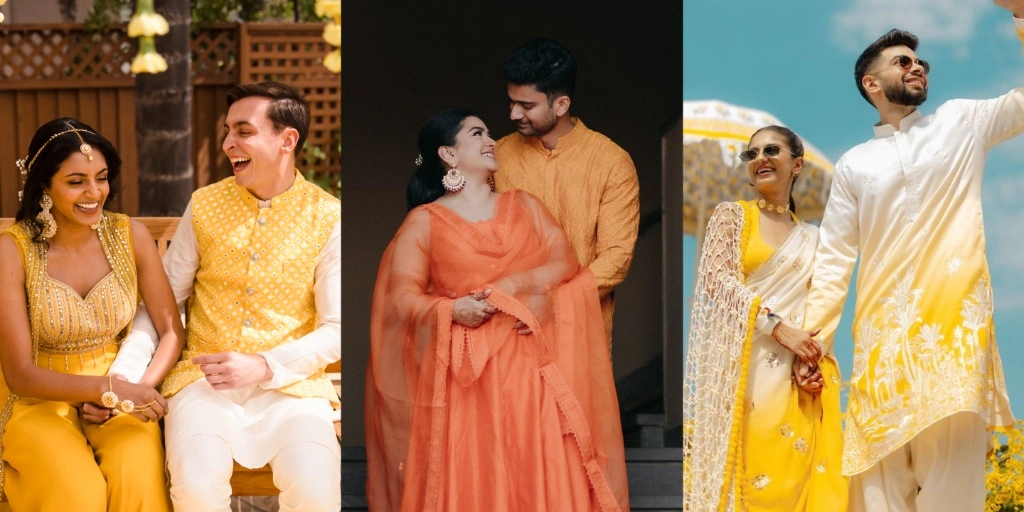
Image Source: Instagram/weddingplz; Styl Inc
Pithi is one of the most joyful pre-wedding rituals. Family members gather to apply turmeric paste, offer blessings, and celebrate the upcoming marriage. While some families keep the ceremony intimate, others organise elaborate celebrations with floral decorations and coordinated outfits.
Your Pithi look should feel festive, comfortable, and practical.
Why Yellow Is Popular for Pithi
Yellow is associated with turmeric, auspiciousness, and celebration across many Indian wedding traditions. Shades such as butter yellow, mustard, and marigold naturally complement the ritual.
Yellow also photographs beautifully against floral decorations and green foliage. However, it is not compulsory. Ivory, peach, orange, and other bright colours can work just as well.
Remember that turmeric can stain fabric, even when the garment is yellow. If you plan to participate directly in the ritual, choose washable clothing or an outfit you do not mind getting stained.
Best Fabrics for Pithi Ceremony Outfit Ideas
Cotton: Breathable and comfortable, this fabric works particularly well for daytime ceremonies in warm weather. Cotton kurtas, simple sarees, and relaxed suits are practical choices.
Cotton-silk: This blend offers a traditional appearance with a festive finish. It suits close family members who want a slightly dressier look without heavy embellishments.
Georgette: Lightweight georgette creates graceful silhouettes for suits and sarees. Choose manageable embellishments and check the care instructions before wearing it to a turmeric ceremony.
Washable fabric blends: These are useful for guests and younger relatives who want a festive outfit that is simple to maintain.
Avoid long trailing dupattas, delicate embellishments, and unnecessarily heavy garments if you will be participating in the ritual.
What Should the Bride Wear for Pithi?
The bride can choose a yellow lehenga, an anarkali, a lightweight saree, or a coordinated kurta set. Floral prints and contemporary silhouettes are also suitable for a relaxed celebration.
To stand out while maintaining the colour theme, she could choose a marigold outfit while the rest of the family wears pastel yellow. Floral jewellery, lightweight earrings, bangles, and a maang tikka can complete the look.
Comfort matters just as much as appearance. The bride should be able to sit, stand, and interact with relatives without worrying about a restrictive outfit or delicate accessories.
What Should the Groom Wear for Pithi?
A yellow kurta-pyjama, an ivory kurta with contrasting trousers, or a simple traditional ensemble works well for the groom. Subtle embroidery or a printed jacket can add a festive touch without making the outfit too heavy.
For coordinated couple styling, choose complementary shades rather than identical outfits. A mustard kurta paired with a butter-yellow lehenga creates a cohesive look while allowing both outfits to stand out.
What Should Family Members Wear for Pithi?
Mothers and aunts can wear cotton sarees, lightweight suits, or simple lehengas. Fathers and male relatives can choose breathable kurtas, while siblings and cousins can explore coordinated yellow, orange, ivory, or floral outfits.
Keep the family palette consistent without requiring everyone to wear the same design. The result will look coordinated in photographs while allowing each person to express their individual style.
Garba Outfit Ideas India: What to Wear for Garba Night
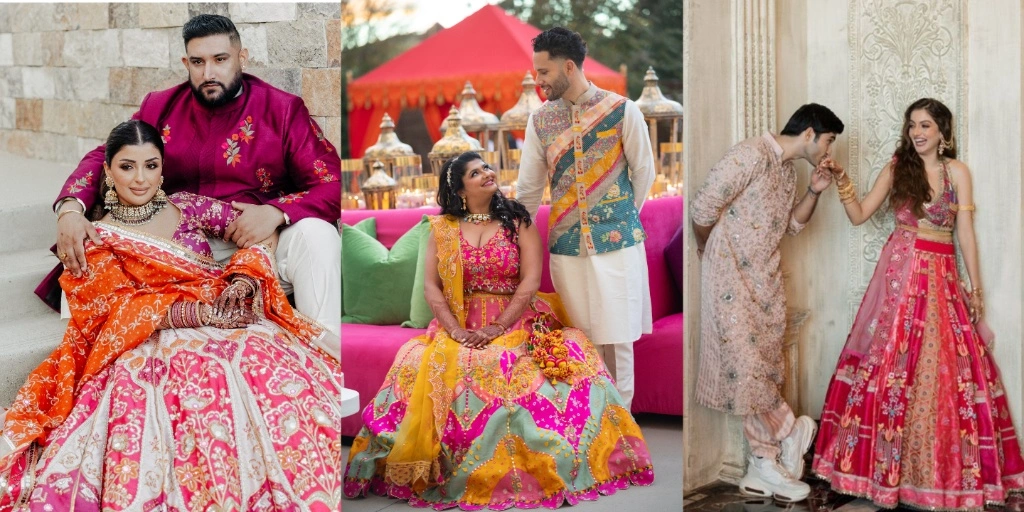
Image Source: Styl Inc; Instagram/wedmegood
Garba is often one of the most exciting fashion moments at a Gujarati wedding. Traditional music, rhythmic clapping, colourful decorations, and hours of dancing make this celebration an opportunity to embrace regional clothing.
The best Garba outfit ideas India offers combine traditional aesthetics with comfort, movement, and personal expression.
The Chaniya Choli: A Signature Garba Outfit for Women
The chaniya choli features a flared skirt, a fitted or semi-fitted blouse, and a dupatta. Its flowing silhouette creates beautiful movement during dancing and makes it a classic choice for Garba.
Traditional designs often feature mirrorwork, bandhani patterns, embroidery, colourful borders, and appliqué. Contemporary versions introduce modern blouse cuts, lighter fabrics, and fusion-inspired details.
When choosing a chaniya choli, pay attention to the skirt’s weight, waistband, and lining. Heavy embroidery may look striking but can become uncomfortable during extended dancing. A skirt with enough flare and a secure waistband offers a better balance of appearance and practicality.
The blouse should fit securely without restricting arm movement. Test the fit by raising your arms, turning, and clapping before finalising the outfit.
Secure the dupatta with discreet pins or choose a drape that stays in place. Loose fabric can become inconvenient during fast dance movements.
Mirrorwork, Bandhani, and Traditional Details
Mirrorwork and bandhani are popular choices for Gujarati wedding styling because they introduce colour, texture, and regional character.
Mirrorwork reflects light, making it particularly striking during evening celebrations. Bandhani, a traditional tie-dye technique associated with Gujarat and parts of Rajasthan, creates patterns ranging from delicate dots to elaborate motifs.
Other details include gota patti, colourful tassels, patchwork, and embroidered borders. You do not need every element in one outfit. A mirrorwork skirt paired with a simple blouse can look balanced, while a bandhani dupatta can bring traditional character to an understated ensemble.
For a contemporary look, pair a colourful lehenga with a solid blouse or choose a traditional skirt with a modern crop top. This approach keeps the outfit festive without making it feel overly elaborate.
What Should Men Wear for Garba?
A kediyu paired with dhoti pants is a classic traditional choice for men. The kediyu typically features a flared silhouette, gathered fabric, and decorative detailing.
A Gujarati groom kediyu dhoti ensemble can be especially suitable for a groom who wants to embrace regional dressing during Garba. Embroidery, colourful waistbands, and a coordinated turban can complete the look, depending on the event’s dress code.
Men who prefer simpler outfits can wear a festive kurta with dhoti pants, churidar, or straight trousers. An embroidered jacket adds structure without making the outfit unnecessarily heavy.
Choose breathable fabrics and a comfortable fit, particularly around the shoulders and waist. A groom can also use Garba as an opportunity to wear brighter colours before changing into a more formal ensemble for the wedding ceremony.
Building a Breathable Garba Outfit for Hours of Dancing
A Garba outfit should remain comfortable long after the celebrations begin. Choose fabrics that feel comfortable against the skin and allow sufficient airflow. Lightweight cotton blends work well, while georgette and chiffon can suit flowing skirts and dupattas, depending on their construction.
Check the waistband, lining, and hem of the skirt. Try turning and bending before the event to make sure the garment does not restrict movement. Footwear is equally important. Comfortable juttis, mojaris, or well-fitted flats can work well if they provide adequate support. Wear new footwear beforehand to avoid blisters. Keep jewellery manageable. Lightweight earrings, secure bangles, and accessories that do not catch on fabric are often more practical than heavy pieces during extended dancing.
Choosing Colours That Stand Out Under Garba Lighting
Garba outfits often feature vibrant shades that complement colourful decorations and evening lighting.
- Red and yellow: A traditional, energetic combination.
- Pink and orange: Bright shades that create a lively festive look.
- Royal blue and silver: A striking palette for reflective detailing.
- Green and pink: A colourful choice for bandhani and mirrorwork.
- Black with multicoloured embroidery: A contemporary option with a vibrant contrast.
When choosing a mirrorwork bandhani wedding outfit, balance decorative details with comfort. Mirrorwork can create a beautiful finish, but excessive embellishment may add unnecessary weight.
For family groups, coordinate through a colour palette rather than identical outfits. This creates a cohesive appearance while preserving everyone’s personal style.
Sangeet and Pre-Wedding Functions
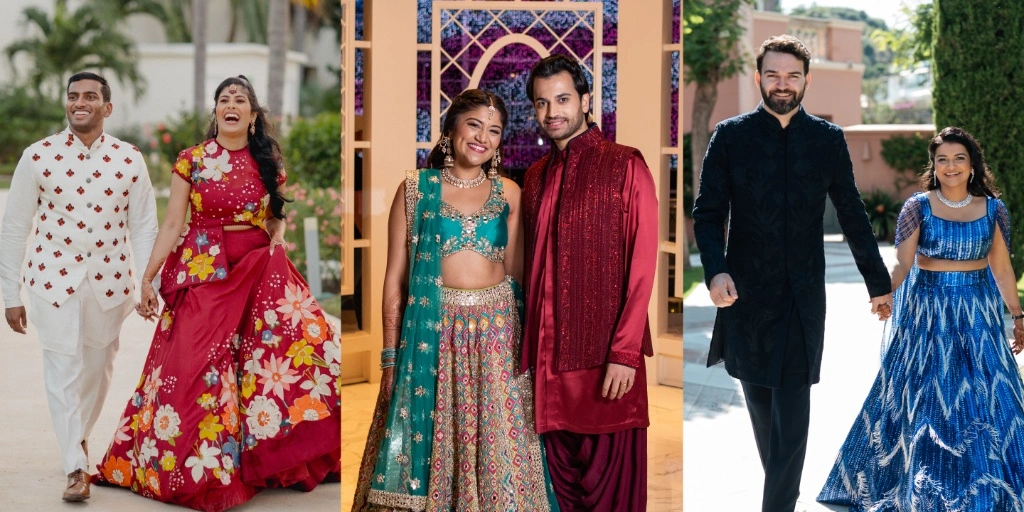
Image Source: Styl Inc
Sangeet celebrations often feature dance performances, music, and family gatherings. The dress code may be more glamorous than Pithi and more contemporary than a traditional Garba ensemble.
Richer Festive Silhouettes That Allow Movement
Women can choose embroidered lehengas, shararas, anarkalis, pre-draped sarees, or coordinated festive sets. A lightweight lehenga with a statement blouse can look glamorous without feeling overly heavy. Men can wear embroidered kurtas, bandhgala jackets, or Indo-Western outfits. A coordinated jacket can elevate a simple kurta while maintaining a comfortable silhouette. If you are performing, test your outfit before the event. Check whether the sleeves restrict movement, the skirt catches underfoot, or the dupatta slips during turns.
Coordinating Family Colours for Performances
Family colour coordination works particularly well for group performances and photographs. Siblings might choose pink, while cousins wear complementary orange or purple. The groom’s family could choose shades of blue and green. Rather than making everyone wear identical garments, coordinate through colour, embroidery, or accessories. This approach creates visual harmony without limiting individual preferences. Share the colour palette with family members well in advance to avoid last-minute outfit confusion.
The Main Wedding Ceremony: What to Wear
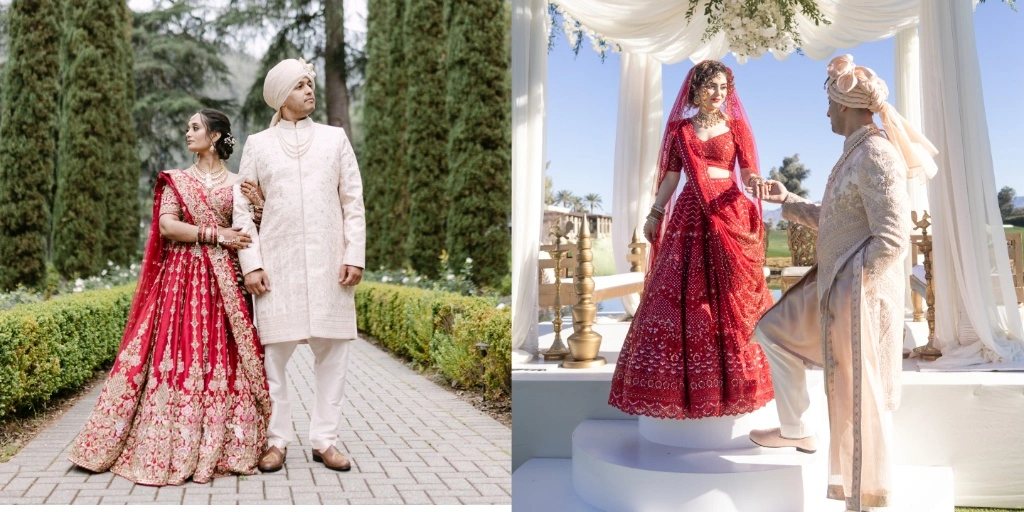
Image Source: Styl Inc
The main wedding ceremony is generally the most formal occasion in a Gujarati wedding. Richer fabrics, traditional textiles, elaborate embroidery, and meaningful accessories often take centre stage. The exact attire depends on the family’s customs and the ceremony’s religious and regional traditions.
Gujarati Bride Wedding Attire: Traditional Colours and Silhouettes
Traditional Gujarati bridal attire is closely associated with the panetar saree, often featuring a white or ivory base with red detailing. Brides may also wear richly woven sarees, bridal lehengas, or other traditional ensembles. The gharchola, known for its distinctive checks and auspicious motifs, is another important textile in many Gujarati bridal traditions. Some brides incorporate both panetar and gharchola into their wedding wardrobe, depending on family customs.
Red, maroon, green, ivory, and gold are popular bridal colours. However, the final choice should reflect the bride’s preferences and the traditions she wishes to follow. Consider the ceremony’s duration, the venue, and the practical requirements of the rituals. The blouse, draping, and fit should allow the bride to sit, stand, walk, and participate comfortably.
What Should the Gujarati Groom Wear?
A sherwani is a popular choice for the main wedding ceremony. It can be paired with churidar trousers, straight pants, or other coordinated bottoms. Traditional dhoti-based ensembles may be suitable for ceremonies where regional customs call for them. An embroidered achkan or a formal kurta with a jacket can also create an elegant look.
Ivory, cream, gold, maroon, and deep green are popular options. The groom can coordinate with the bride through complementary colours, matching embroidery, or a shared accent in the stole. Accessories may include a safa, a stole, traditional footwear, or a brooch. Choose them according to the outfit and family customs rather than adding every element. A well-fitted garment is essential. Check the shoulders, sleeves, and trouser length before the wedding to ensure the outfit looks polished and allows comfortable movement.
Jewellery and Accessories in Gujarati Bridal Tradition
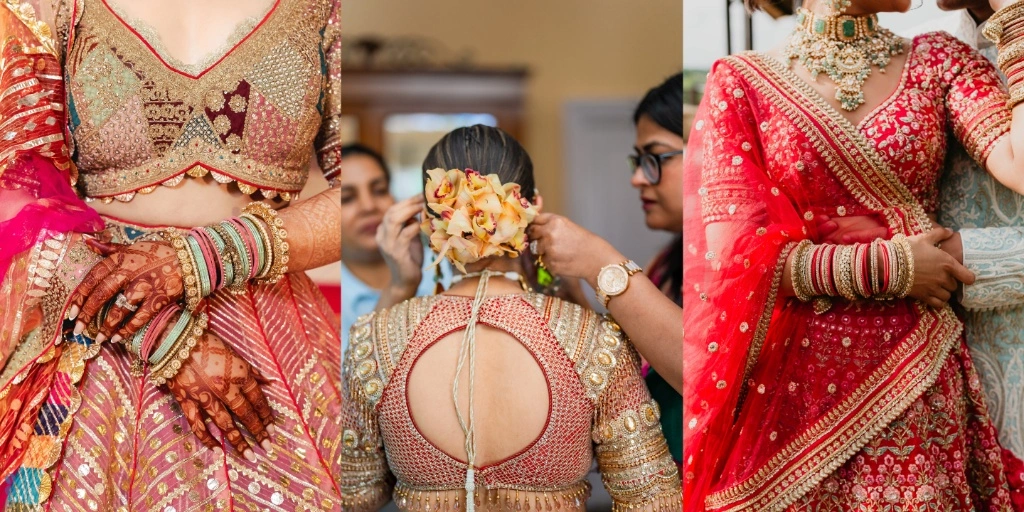
Image Source: Styl Inc
Gujarati bridal jewellery may include gold necklaces, earrings, bangles, maang tikka, and other pieces chosen according to family traditions. The panetar and gharchola can also carry cultural significance, making textile selection an important part of bridal styling. Customs surrounding particular jewellery pieces vary across communities, so confirm any family-specific requirements before making final decisions.
Consider the outfit’s neckline and embroidery when choosing jewellery. A statement necklace can complement a simpler blouse, while an elaborate neckline may look better with prominent earrings and a more restrained necklace. The aim is to create a bridal look that feels meaningful, balanced, and comfortable throughout the ceremony.
What Family Members Should Wear Across Functions
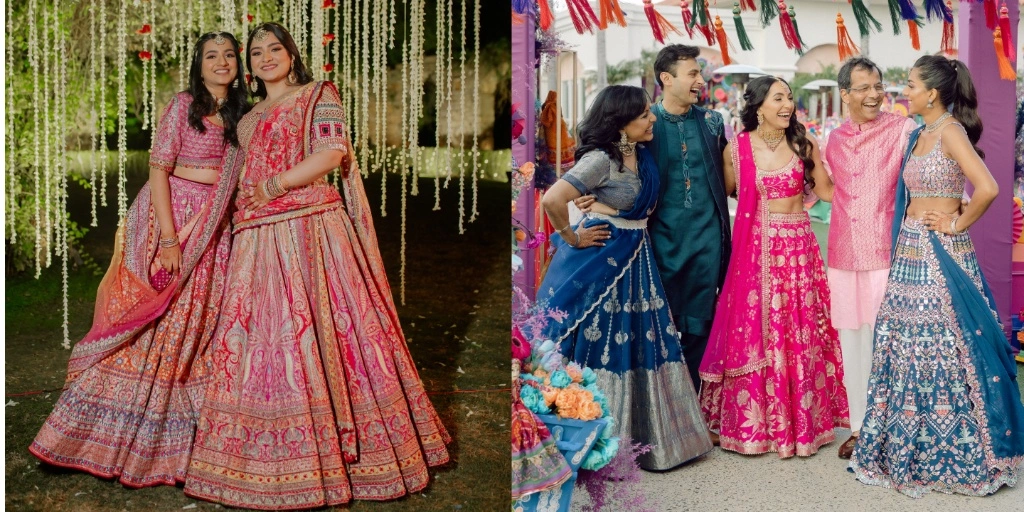
Image Source: Styl Inc
Family styling should complement the couple while allowing relatives to feel comfortable and confident.
Mothers and Female Relatives
Mothers of the bride and groom can choose silk sarees, bandhani sarees, embroidered suits, or elegant lehengas. Lightweight cotton sarees and suits work well for Pithi, while colourful traditional outfits suit Garba. For the wedding ceremony, a silk saree or a more elaborate ensemble can create a formal appearance. Bandhani dupattas and coordinated accessories can connect the different looks across the celebrations. Female relatives can follow the same approach, selecting garments according to the formality of each function.
Fathers and Male Relatives
Men can build a versatile wardrobe around kurtas, embroidered jackets, bandhgala outfits, and traditional footwear. For Pithi, lightweight cotton kurtas are practical. Garba calls for a kediyu-dhoti ensemble or a festive kurta, while the main ceremony may warrant a sherwani or formal bandhgala. Prioritise fit and comfort over excessive embellishment, particularly for older relatives who may need to stand or walk for extended periods.
Keeping the Family Palette Consistent
Choose two or three complementary colours for each function rather than insisting on identical outfits. For example, one group might wear jewel tones while another chooses complementary warm shades. A shared textile detail, such as bandhani, or a common accessory colour can bring the looks together. Use the couple’s outfits as the starting point for the main ceremony. Family styling should complement their appearance rather than compete with it.
Practical Styling Tips for a Multi-Day Gujarati Wedding
Choosing Fabrics for a Packed Wedding Schedule
Cotton and lightweight blends are useful for warm-weather daytime functions. Georgette and chiffon can suit flowing festive garments, while silk and embroidered fabrics are often chosen for formal ceremonies. Consider the season and venue before selecting heavier textiles. Breathable fabrics are particularly important for outdoor Garba celebrations. Check garment-care instructions and arrange pressing or steaming in advance. Keep delicate outfits stored safely between functions.
Choosing Comfortable Footwear
Well-fitted flats, juttis, and traditional footwear are practical choices for Garba. Formal ceremonies may call for dressier shoes, but comfort should remain a priority. For outdoor events, avoid footwear that sinks into grass or slips on uneven surfaces. Try new shoes before the wedding and pack alternatives if you expect to change footwear between functions.
Planning the Wardrobe Function by Function
Organise outfits in the order of the wedding schedule. A simple plan might look like this:
| Function | Outfit direction | Styling priority |
| Chandlo Matli | Saree, kurta set | Understated elegance |
| Pithi | Yellow kurta, lightweight suit | Comfort and easy care |
| Mameru | Traditional saree, embroidered suit | Family traditions |
| Garba | Chaniya choli, kediyu-dhoti | Movement and colour |
| Sangeet | Lehenga, sharara, Indo-Western wear | Festive glamour |
| Main ceremony | Panetar, bridal saree, sherwani | Tradition and formality |
| Ashirwad or reception | Saree, suit, sherwani | Versatility |
The actual sequence may differ by family. Confirm timings before finalising the plan.
Pack each outfit with its jewellery, footwear, dupatta, and other accessories. Try complete looks before the wedding and check that everything fits comfortably.
Making the Wedding Wardrobe Budget Work
You do not need a completely new outfit for every function. A saree worn for Mameru can look different with new jewellery or a different drape. A simple kurta can be elevated with an embroidered jacket for Sangeet. Renting, borrowing, or repeating garments can also reduce costs. Invest in distinctive pieces for the occasions that matter most, and choose versatile accessories that work across multiple outfits.
How Styl Inc. Styles Gujarati Weddings
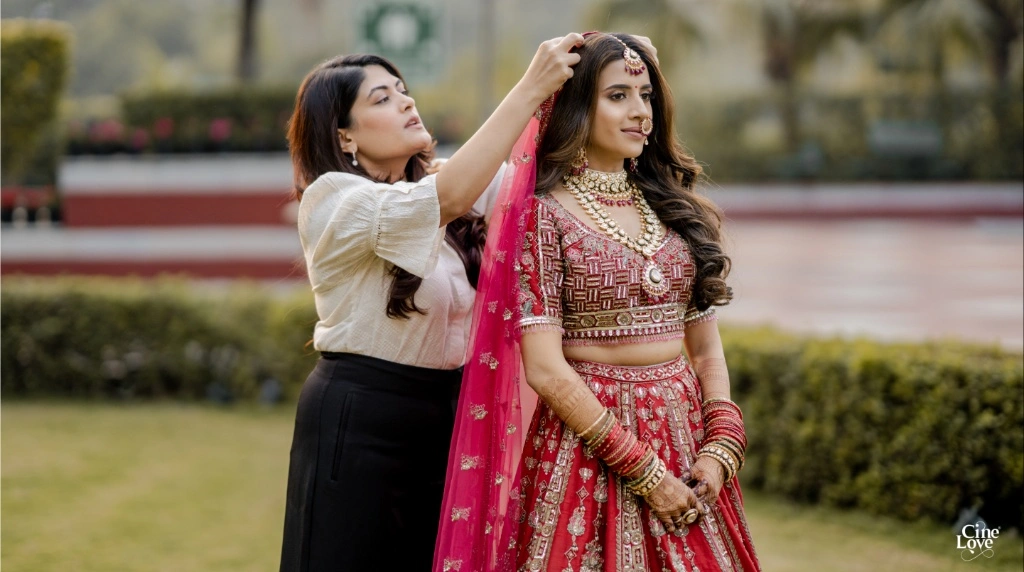
Image Source: Styl Inc
Planning Gujarati wedding outfits requires an understanding of traditions, personal preferences, family coordination, and the practical demands of every ceremony. Styl Inc. builds a wardrobe plan around the actual sequence of Gujarati wedding rituals. This includes considering the dress code, venue, weather, and activities involved before recommending outfits.
For Pithi, the focus may be on comfortable silhouettes and easy-care fabrics. For Garba, the styling can centre on movement-friendly chaniya cholis, traditional kediyu ensembles, and colourful accessories. For the main ceremony, the emphasis shifts to bridal attire, traditional textiles, jewellery, and coordinated family looks. The approach also considers how each outfit works with the rest of the wardrobe. Rather than treating every function as a separate styling exercise, a planned wardrobe creates continuity while allowing each celebration to have its character.
Styl Inc. can also help coordinate outfits for parents, siblings, and extended family members without making everyone look identical. Book your consultation for Gujarati wedding styling with Styl Inc. Plan a function-wise wardrobe that respects tradition, reflects your personal style, and keeps you comfortable throughout the celebrations.
Final Thoughts
Gujarati weddings bring together meaningful rituals, traditional textiles, vibrant colours, and celebrations that often span several days. Each function offers an opportunity to dress in a way that reflects its cultural significance and practical demands.
Choose easy-care outfits for Pithi, movement-friendly ensembles for Garba, festive silhouettes for Sangeet, and traditional attire for the main wedding ceremony. Coordinate family outfits thoughtfully, consider the weather and venue, and allow enough time for fittings and accessories.
Gujarati wedding traditions vary between families, so use traditional attire as inspiration while respecting the customs that matter to the couple. Book your consultation for Gujarati wedding styling with Styl Inc. Plan your looks for every ceremony, from Pithi to the wedding day, with a wardrobe that brings together tradition, comfort, and personal style.
Keep it styl’ish,
Lakshita Vohra Manchanda
No Comments