

Exploring The Evolution of Bridal Styles Through the Decades
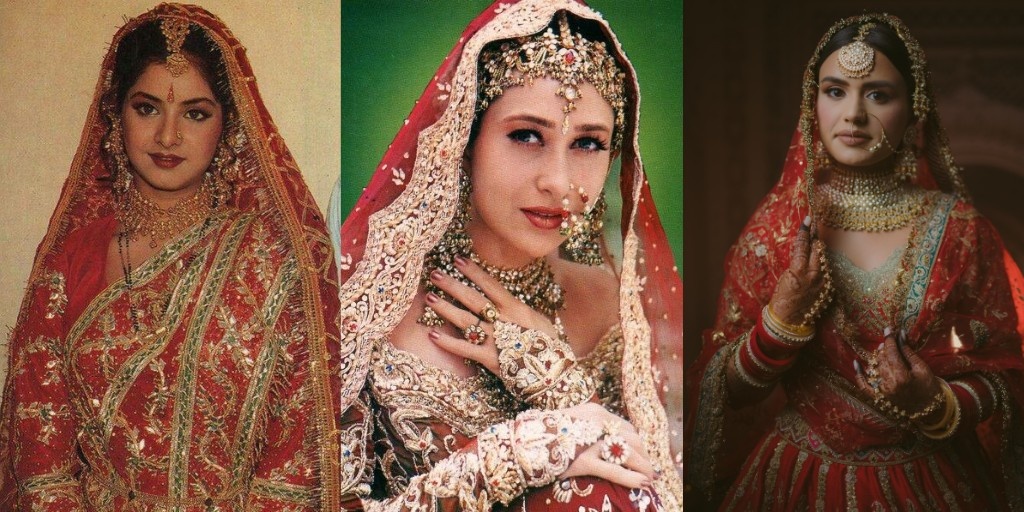
Indian bridal fashion reflects India’s evolving identity, blending tradition, culture, and modernity. Over the years, Indian bridal fashion became one of the most interesting art forms, mirroring the culture, sociologies and artistic movements of each decade. From the regal grandeur of the 1900s to today’s minimalist sustainability, each era tells a unique story. Brides today, honor this rich legacy while also celebrating their unique identity, ensuring Indian wedding fashion remains timeless and inspiring for generations to come. From the traditional red lehenga to pastel minimalism, the evolution of bridal fashion states the journey of Indian weddings across decades. In this blog by Styl Inc., let’s take a journey through time and explore the evolution of bridal fashion and tips to draw inspiration from the bridal styles through the decades.
Why Bridal Fashion Keeps Evolving
Credits: Styl Inc.
Bridal fashion is ever-evolving since weddings are both social and cultural occasions. The history of Indian bridal wear illustrates the custom and social influences that affect what brides wear today. For example, the traditional red in bridal fashion represents tradition and prosperity, yet modern cinema has inspired brides to wear pinks, pastels and metallics on their wedding day. Global fashion has also had an influence on the evolution of bridal fashion. With the introduction of popular designer labels, international fabrics and fusion silhouettes into the market, brides can now easily blend traditional pieces with modern aesthetics. A Sabyasachi bridal lehenga paired with a cape dupatta or Manish Malhotra’s classic pastel gown are the perfect examples of traditional vs contemporary bridal looks beautifully coexisting. Moreover, bridal fashion continues to evolve as the brides themselves evolve, a bride’s lifestyle, preferences and inspirations all affect “the bridal look” of each generation.
Bridal Fashion in the 1950s and 60s
Credits: Hema Malini, Divya Bharti, RmkVWedding Silks
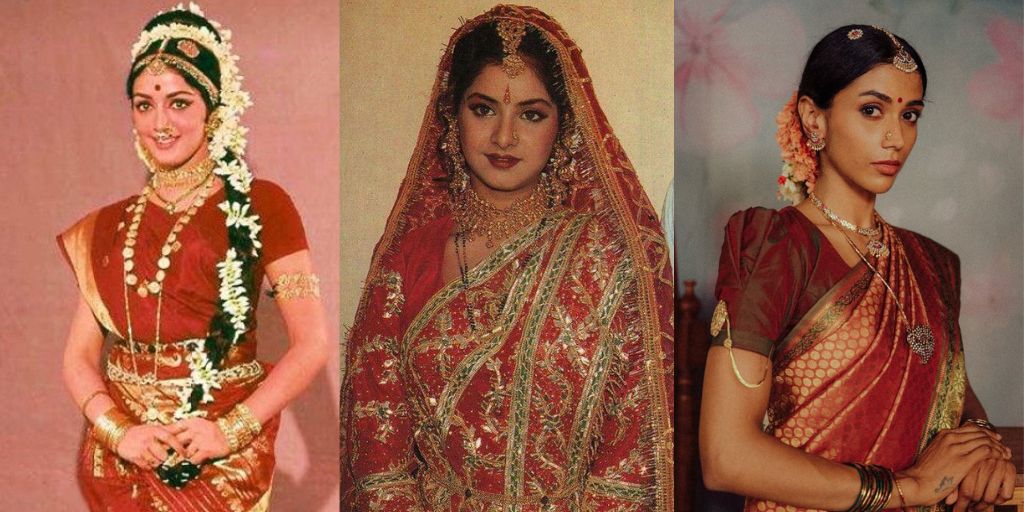
The mid-20th century was all about tradition. The traditional red bridal lehenga and saree became a staple in the bridal wardrobe during the 1950s and 60s. Post-independence, brides adorned rich silks like Kanjivaram and Banarasi sarees. These sarees had intricate work, were worn with heavily handwoven pieces and symbolized wealth, traditional and regional identities. North Indian brides wore phulkari touches while South Indian brides shone bright in golf-threaded Kanjeevaram sarees. Jewelry in this era was heavy and gold-dominated, this symbolized wealth and stability. Jewelry items like Kaleeras, mangalsutras and chooda were essential pieces with each piece holding deep cultural meaning. This period represents the roots of bridal styles through the decades, here the focus was on ritual, symbolism and opulence rather than that of personal expression and style.
The Glamorous 70s and 80s
Credits: Reddit, Rekha, Aza Fashions, Sri Devi
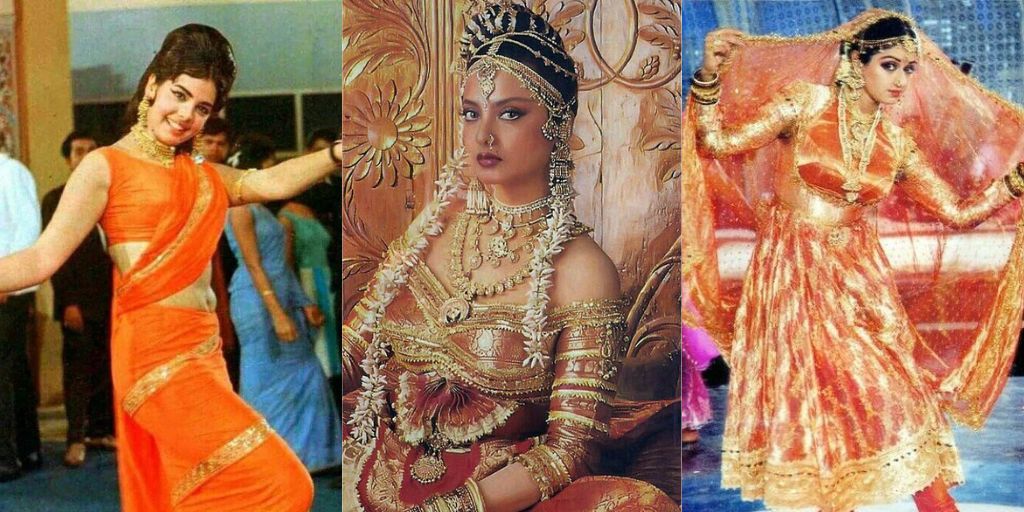
The 70s and 80s brought glamour and regal style to Indian weddings. The reason? Bollywood. The influence of Bollywood became evident has brides began emulating styles as seen in films for their big day. From Mumtaz’s iconic drape to Rekha’s regal Kanjeevaram sarees, cinema dictated the world of bridal fashion. Embellished lehengas, shimmer fabrics, zari embroidery and churidar suits and sequined borders gained popularity, giving brides a more dramatic yet filmy look. The wedding fashion evolution during this period also saw statement jewelry like oversized chockers, matta pattis, stylish bindis, layered jewelry and bold makeup looks. The 80’s were a period of experimentation, brides started incorporating lighter fabrics and pastel colors. While the grooms too experimented with bandgals and velvet sherwanis. Weddings became a more extravagant event and bridal fashion too mirrored this shift with grandeur and sparkle.
The Bold 90s and Early 2000s
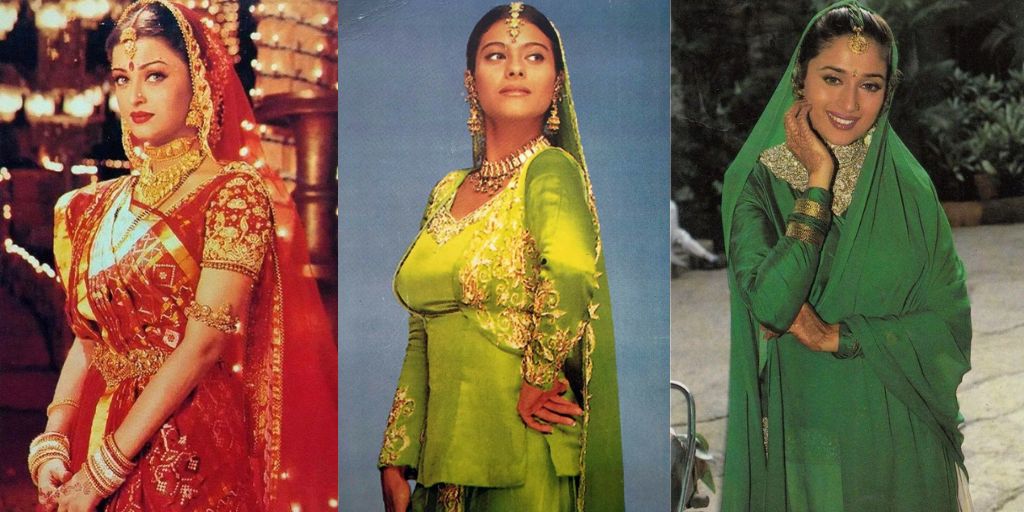
Credits: Aishwarya Rai, Yash Raj Films (YRF), Rajshri Productions
The 90s were a turning point in the evolution of bridal fashion. Lehengas took center stage thanks to Bollywood blockbusters like Hum Aapke Hain Kaun, Dilwale Dulhania Le Jayenge and Kuch Kuch Hota Hai. Brides wanted to stand out, so they started to embrace lehengas in bold colors like maroon, magenta and even green which became popular alternatives to red. The rise of designer labels like Ritu Kumar, Abu Jani Sandeep Khosla, Ritu Beri, Abraham and Thakore bought a touch of exclusivity to bridal wear with heavy embroidery, crystals and embellished fabrics.
The early 2000s saw a fusion of traditional and modern elements. Bollywood brides like Karisma Kapoor and Aishwarya Rai influenced the wedding fashion with ornate ensembles, while magazines made global trends popular. During this era, brides began experimenting with corset blouses, asymmetrical lehengas, and contemporary color palettes like champagne, gold, and pastels. This was also when crystal embroidery and Swarovski embellishments dominated the bridal lehengas history of India, reflecting luxury and sophisitication.
The Modern 2010s to Present
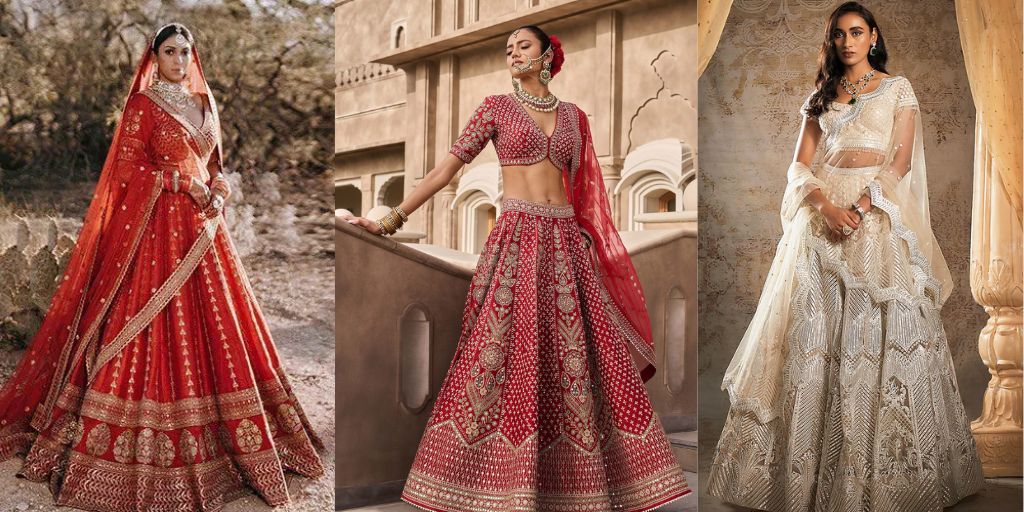
Credits: Sabyasachi, Anita Dongre, Falguni Shane Peacock
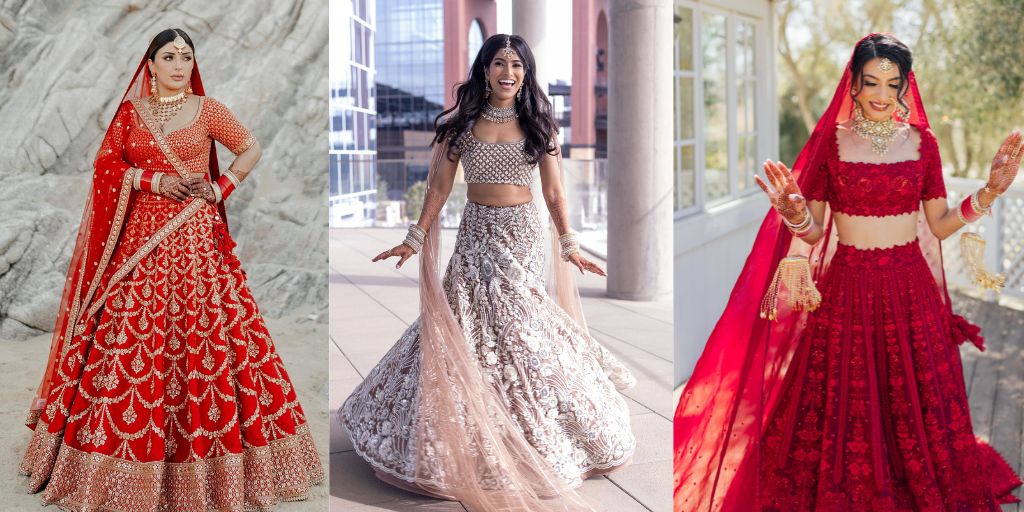
The past decade has been all about personalization and has been defined by the designer wave. Designer names like Sabyasachi, Manish Malhotra, Anita Dongre and Falguni Shane Peacock have reshaped the modern bridal fashion trends. Brides today no longer want to wear red, they now choose outfits that reflect their individual style and story – be it ivory, mint green, blush pink, lavender or metallics. From minimalistic lehengas to vintage-inspired sarees, the focus has shifted to versatility and uniqueness. Sustainable fashion also emerged as a key trend, with brides opting for handloom and eco-friendly fabrics.
The modern bride is confident, experimental and unafraid to push boundaries. Statement dupattas, unique pleating, cape-style veils, and double dupatta layering have become defining features. Meanwhile, grooms have stepped into the spotlight too—rocking asymmetrical kurtas, sherwanis with draped jackets, and Indo-Western fusion wear. Today’s weddings reflect a perfect blend of traditional vs contemporary bridal looks, where heritage craft meets global chic.
Also Read: https://styl-inc.com/blogs/trendsetting-bollywood-brides-of-the-21st-century/
Key Bridal Accessories Through the Ages
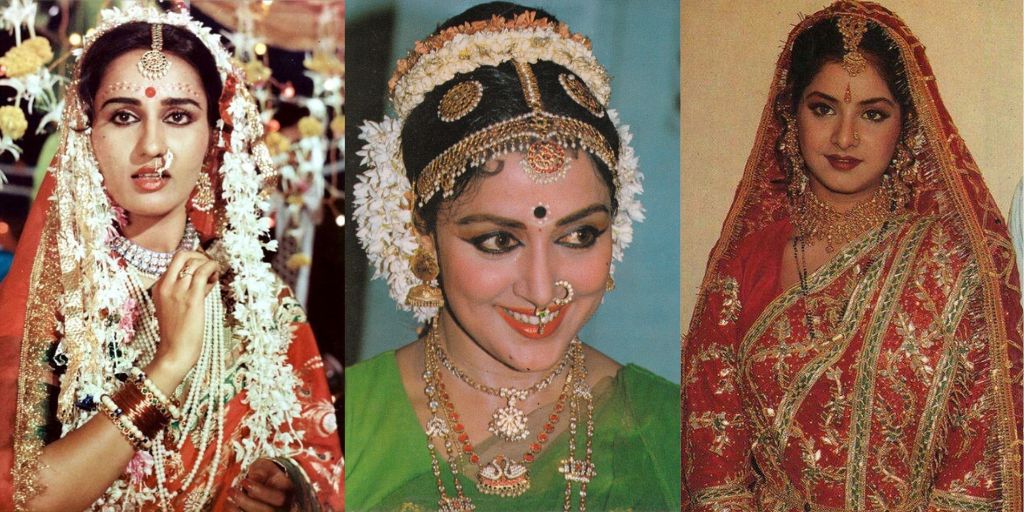
Credits: Reena Roy, Hema Malini, Divya Bharti
Accessories has played a crucial role in the wedding fashion evolution. During the 1950s, magalsutras, kaleeras and heavy gold jewelry pieces were the highlight of a bride’s outfit. By the 80s, oversized bindis and shimmering chokers became popular. The 90s brought Swarvoski jewerly and flashy ornaments to bridal fashion while the 2000s focused more on kundan and polki sets for bridal jewelry. Dupatta and veil styling has also evolved over time. From heavily pleated dupatta in the 50s, Mumtaz-inspired dupatta drapes in the 70s and double-dupatta draping styles in the 2000s, draping has always been a key highlight of bridal fashion. Today, veils are sheer, embroidered and are often paired with structural drapes for balance. Similarly, makeup trends also shifted from bold liners, red lips to dewy, minimalist looks that enhance natural beauty.
Also Read: https://styl-inc.com/blogs/bridal-veil-dupatta-drape-styling-trends/
What the Future of Bridal Styling Looks Like
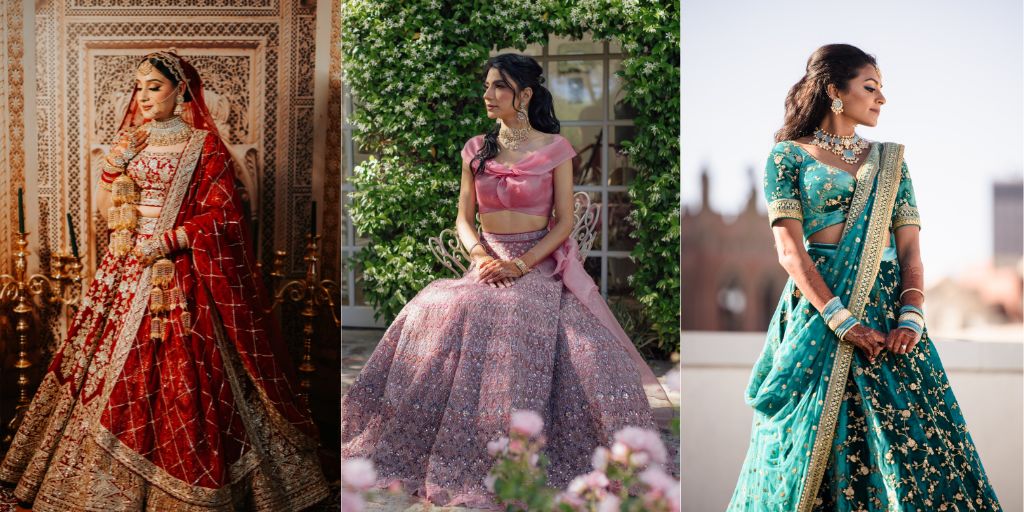
Credits: Styl Inc.
Personalization and sustainability are the future of bridal styles through the decades. Modern brides are making sustainability a central part of bridal fashion by choosing handloom fabrics, eco-friendly dyes and ethical jewelry. Technology is also shaping the future of bridal fashion with AI-based styling tools, virtual fittings and digital mood boards that help couples to plan their looks more efficiently. Fusion fashion will continue to be popular with brides seamlessly blending Indo-Western aesthetics, experimenting with silhouettes like lehenga gowns and even choosing pantsuits for pre-wedding events. The evolution of bridal fashion will always be about reflecting one’s personal identity and style while also honoring tradition.
How Styl Inc. Helps You Choose Your Perfect Era-Inspired Look
Credits: Styl Inc.
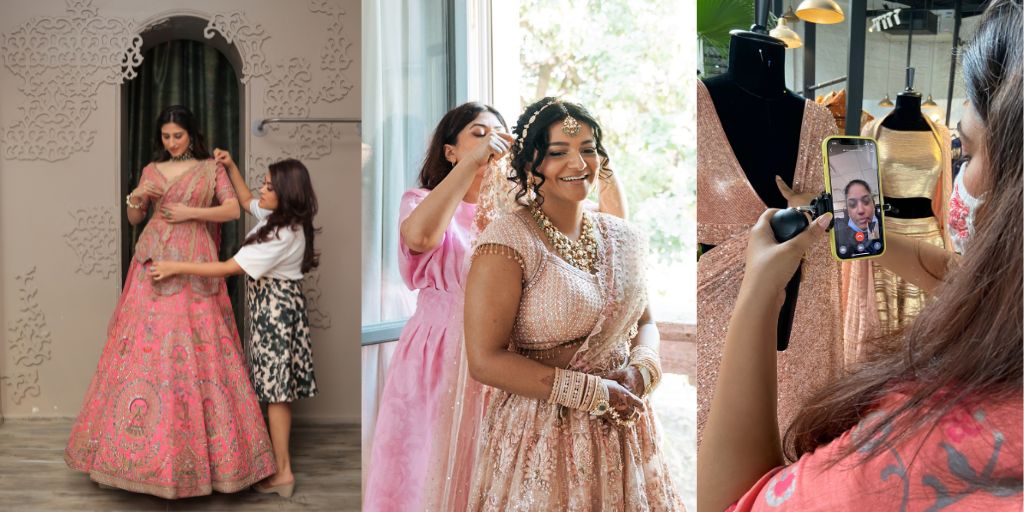
At Styl Inc., we understand that brides love to take inspiration from the bridal styles through the decades. Some brides prefer a 60s-inspired Banarasi look, while others want a bold maximalism of the 90s. Our expert stylists curate outfits for you that combine vintage charm with a modern practicality, ensuring you look regal and timeless. From helping you to explore the bridal lehenga history of India to selecting the perfect accessories, we coordinate every detail. Whether it involves coordinating the groom’s sherwani with your drape or providing on-site styling support for last-minute dupatta fixes, we ensure your bridal look is flawless. At Styl Inc., we don’t just recreate trends, we personalize them to your story.
Also Read: https://styl-inc.com/blogs/blogs-on-site-wedding-styling-coordination-india/
Conclusion
The history of Indian bridal wear tells us one thing, that bridal fashion will continue to evolve but its essence will remain the same, that is to celebrate love and honor tradition. Whether you are inspired by vintage eras or modern trends, your bridal style should reflect your unique personality, personal style, and also honor your roots. With expert guidance from Styl Inc., the past and present can beautifully blend into to become your dream bridal look.
Until next time
Keepin’ it Stylish
Signing off
Tasneem Lokhandwala
What was the most popular bridal look in the 90s?
The 90s were a turning point in the evolution of bridal fashion. Brides wanted to stand out, so they started to embrace lehengas in bold colors like maroon, magenta and even green which became popular alternatives to red.
How have bridal dupatta drapes evolved over time?
Dupatta and veil styling has also evolved over time. From heavily pleated dupatta in the 50s, Mumtaz-inspired dupatta drapes in the 70s and double-dupatta draping styles in the 2000s, draping has always been a key highlight of bridal fashion.
Which decade had the most glamorous bridal trends?
The 70s and 80s brought glamour and regal style to Indian weddings thanks to the influence of Bollywood. Embellished lehengas, shimmer fabrics, zari embroidery and churidar suits and sequined borders gained popularity, giving brides a more dramatic yet filmy look.
Are vintage bridal styles coming back in 2025?
Brides today no longer want to wear red, they now choose outfits that reflect their individual style and story – be it ivory, mint green, blush pink, lavender or metallics. From minimalistic lehengas to vintage-inspired sarees, the focus has shifted to versatility and uniqueness.
How can a stylist help me achieve a retro-inspired wedding look?
A stylist curate outfits that combine vintage charm with a modern practicality, ensuring you look regal and timeless. From helping you to explore the bridal lehenga history of India to selecting the perfect accessories, a stylist coordinates every detail.
No Comments