
When Should You Finalise Wedding Outfits for Each Function?
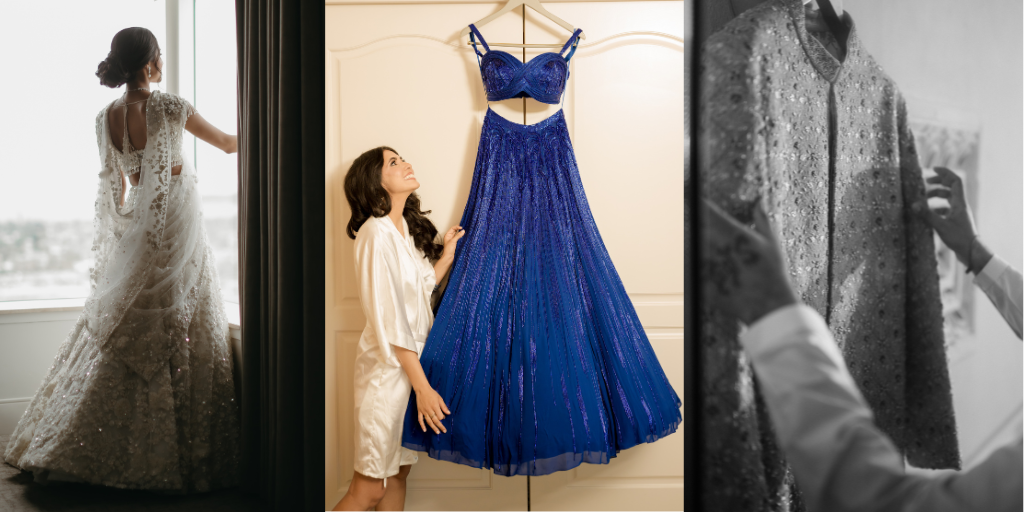
Indian weddings are grand, vibrant and involve multiple functions. Each event from mehendi, sangeet, pheras and reception has its own unique vibe and requires carefully planned styling. Without a proper wedding outfit timeline India, brides often face last-minute stress, rushed tailoring or pay extra charges to designers. Planning ahead of times ensures you have enough time to secure the right outfits, coordinate accessories and complete fittings comfortably. This function wise-outfit finalization guide by Styl Inc., helps brides to understand exactly when they should finalize outfits for mehendi, sangeet, pheras and reception India, giving brides a clear and stress-free shaadi outfit booking schedule for every function.
12–9 Months Before Wedding – Research & Budget Planning
Credits: Styl Inc.
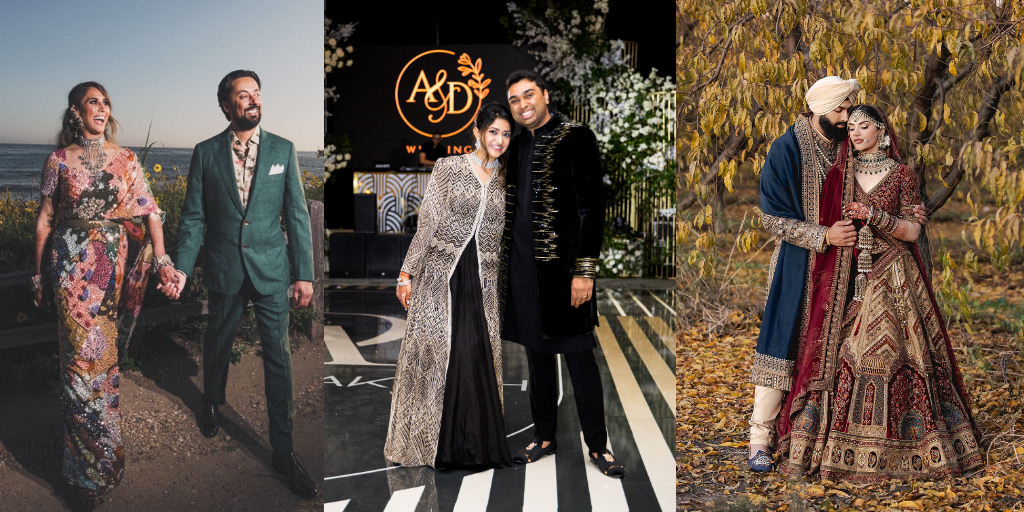
The wedding shopping timeline functions should begin at least 12-9 months in advance and should focus on research and planning. This is the time when brides are gathering inspiration and defining their overall wedding style. Brides often create visual mood boards by collecting images of silhouettes, embroidery styles, colors and draping ideas. These references can help designers to understand their aesthetic and preferences.
Another important decision to be made during this phase is to choose between designer pieces, custom-made outfits or ready-made options. Designer outfits require longer timelines, while ready-made pieces allow faster delivery. Budget planning is also an important role in the bridal shopping calendar. Instead of allocating one large budget for all outfits, you should divide your budget for each outfit across each function. Starting your outfit finalization early gives you ample of time, which is one of the most valuable resources in wedding planning.
Pre-Planning Checklist for Wedding Outfits
Before booking any outfits, brides should complete a few important preparation steps. You should start by shortlisting three to five designers whose style matches your vision. Visit their stores or schedules consultations can help brides to understand their design approach and production timelines. If you plan to create custom outfits, this is also a good time to visit fabric markets and explore fabrics like silk, organza and georgette. Choosing the right fabric early helps to make streamline decisions. You can also lock a tentative color palette for different functions.
6–4 Months Before – Book Major Function Outfits

Credits: Styl Inc.
The next phase of the wedding outfit timeline India is extremely crucial. This is the stage when brides start booking their outfits. The bridal lehenga for the pheras should be booked first. Since it features intricate embroidery or handwork, it requires the longest production time. Many designers take several months to complete bridal pieces, especially during peak wedding seasons. Once the pheras outfit is secured, brides should then book their reception outfit. Reception gowns, modern sarees, or structured lehengas also require detailed tailoring and fittings. A clear shaadi outfit booking schedule ensures that your preferred designer is available and gives your outfits enough attention.
Priority Order for Booking Outfits
To keep the wedding shopping timeline functions organized, brides should follow a clear order when booking their bridal outfits. The pheras lehenga should be secured first, then the reception outfit as these two outfits feature detailed embroidering and tailoring. Then comes the sangeet outfit and the mehendi and haldi outfits should be secured last. This order works well as the most elaborate garments are booked first, leaving the simpler outfits for later stages.
3 Months Before – Finalise Designs & Place Orders

Credits: Styl Inc.
Three months before the wedding is when the designs of your outfits should be finalized and confirmed. During this stage, brides work closely with designers to finalize the embroidery patterns, fabric choices, color shades and silhouettes. Any design changes should happen now rather than later, as the outfit production begins soon after. Most designers require an advance payment of around 40-50% when the order is confirmed. This secures your place in their production schedule and allows work to begin. Brides must also provide accurate body measurements during this time. This ensures the outfit is tailored to perfection and reduces the need for major alterations later.
What to Share with Designers
When confirming the outfit designs, brides should provide designers with a few important details to ensure perfect outfit construction. This includes the exact wedding dates and event schedule. Knowing the sequence of functions will help designers to plan production timelines effectively. Brides should also share the venue details as outdoor weddings require lighter fabrics while indoor events call for heavier silhouettes. You should also show jewelry references so that designers can coordinate the neckline shapes and embroidery placements accordingly. Footwear height is another important detail as it affects the length of lehengas and sarees. Providing these details will help maintain a smooth and seamless wedding tailor schedule and ensures your outfit fits you perfectly.
8–6 Weeks Before – First Fittings Begin

Credits: Styl Inc.
During the first outfit fitting, brides should evaluate beyond just the appearance of the outfit. You should check how comfortable the outfit feels while sitting, walking and standing. Most wedding ceremonies often involve long rituals which is why comfort is as important as beauty. Sleeve mobility is another important thing brides should look for, especially if the blouse has embroidery or heavy embellishments. Also check the weight of the embroidery so that it doesn’t restrict movement. You should also observe the fall and flare of the lehenga to ensure it drapes beautifully. These details ensure the outfit is both visually stunning and comfortable throughout the wedding.
4 Weeks Before – All Functions Must Be Fitted

Credits: Styl Inc.
Four weeks before the wedding is when the second round of fittings should be done. By this time, every function outfit should have been tried at least once. Designers and tailors typically do final adjustments to improve the fit, refine sleeve lengths and correct minor measurement changes. Major design changes should not happen at this time. Instead, only small alterations should remain. Maintaining this schedule keeps your wedding tailor schedule manageable and prevents last-minute stress.
Keep an Emergency Alteration Buffer
Even with careful planning, unexpected alterations can sometimes arise. Which is why brides should keep a 10–14-day buffer period before the wedding. This allows tailors to fix any minor issues without rushing. Heavy embroidery changes or structural changes should not happen during this time. Including this safety buffer in your finalize shaadi outfits timeline prevents unnecessary panic.
2 Weeks Before – Final Fittings & Packing

Credits: Styl Inc., Pinterest
Two weeks before the wedding is when everything should be finalized. This is the time to try all the outfits with jewelry, footwear and accessories. Seeing the full ensemble together ensures all elements work well together. After the final trial, outfits should be properly steamed, packed and organized function-wise. Many brides label garment bags with the function name to avoid confusion during quick outfit changes. A well-structured wedding outfit timeline India ensures that the final few days before the wedding feel calm rather than chaotic.
Final Checklist Before Wedding Week
Before the wedding week begins, brides should confirm a few final details. This includes: the blouse hooks are secure, shoes have been broken in for a comfort wear, dupatta fall is stitched properly and backup safety pins and fashion tape are packed. Completing these checks ensures that every outfit is perfectly ready for the celebrations ahead.
Also Read: https://styl-inc.com/blogs/travel-friendly-bridal-beauty-style-tips/
Wedding Outfit Timeline Table (Quick View)

Credits: Styl Inc.
The wedding outfit timeline table offers a quick view of the ideal planning schedule for brides. It summaries the entire function-wise finalization guide in a simple table format:
9–12 Months: Research designers and shortlist options
6 Months: Book pheras and reception outfits
3 Months: Confirm sangeet and mehndi outfits
6–8 Weeks: Begin first fittings
4 Weeks: Final alterations
2 Weeks: Packing and complete outfit trials
Why a Wedding Styling Timeline Matters

Credits: Styl Inc.
An organized wedding shopping timeline functions provides several benefits. First, it helps brides to avoid expensive rush fees designers often charge for last-minute work. Second, it prevents fabric shortages. Certain fabrics and embroidery materials may become unavailable closer to the wedding season. Third, it allows tailors enough time for the perfect garment construction, ensuring the outfit fits beautifully. Most importantly, a clear timeline reduces stress during the final weeks of wedding planning.
View this post on Instagram
data-instgrm-captioned data-instgrm-permalink="https://www.instagram.com/reel/DV80mytgSLr/?utm_source=ig_embed&utm_campaign=loading" data-instgrm-version="14" style="background:#FFF; border:0; border-radius:3px; box-shadow:0 0 1px rgba(0,0,0,0.5),0 1px 10px rgba(0,0,0,0.15); margin: 1px; max-width:540px; min-width:326px; width:100%;">
A post shared by Styl. Inc | Wedding Stylists India (@styl_bymeha)
Managing multiple wedding outfits, fittings and accessories can all feel a bit overwhelming. This is where professional styling can help. The Styl Inc. wedding outfit timeline India approach helps brides to organize their wardrobe for every wedding function. Stylists create customized planning calendars that outline when each outfit should be booked and fitted. They also coordinate with designers and tailors to ensure deadlines are met. Stylists also assist during trials to confirm that the silhouettes, jewelry and accessories work together perfectly. For NRI brides, Styl Inc. also provides virtual planning support, making it easy to manage the entire shaadi outfit booking schedule remotely. Let Styl Inc. plan your complete wedding outfit timeline. Schedule your personal styling consultation today and let us help you build the perfect bridal wardrobe with confidence.
Until next time
Keepin’ it Stylish
Signing off
Tasneem Lokhandwala
When should I finalize my wedding lehenga in India?
The wedding shopping timeline functions should begin at least 12-9 months in advance and should focus on research and planning.
How early should I book outfits for each wedding function?
The bridal lehenga and the reception outfit should be booked at least 6-8 months ahead of the wedding. The other function outfits for mehendi, haldi and sangeet can be booked closer to the wedding.
What is the ideal timeline for wedding outfit shopping?
The wedding shopping timeline functions should begin at least 12-9 months in advance and should focus on research and planning.
When should sangeet and mehndi outfits be ordered?
The pheras lehenga should be secured first, then the reception outfit as these two outfits feature detailed embroidering and tailoring. Then comes the sangeet outfit and the mehendi and haldi outfits should be secured last.
How long do lehenga alterations take?
Most lehenga alterations can take up to 2-4 weeks, depending on the complexity of the outfit.
When should the first wedding outfit fitting happen?
The first wedding outfit fitting usually takes place 6-8 weeks before the wedding. During the first outfit fitting, brides should evaluate beyond just the appearance of the outfit.
How much buffer time should I keep for alterations?
Brides should keep a 10–14-day buffer period for alterations before the wedding. This allows tailors to fix any minor issues without rushing.
What is the best wedding shopping calendar for Indian brides?
Without a proper wedding outfit timeline India, brides often face last-minute stress, rushed tailoring or pay extra charges to designers. Planning early ensures you have enough time to secure the right outfits, coordinate accessories and complete fittings comfortably.
What happens if wedding outfit alterations are delayed?
Delayed outfit alterations can cause unnecessary stress close to the wedding. A clear timeline allows tailors enough time for the perfect garment construction, ensuring the outfit fits beautifully.
Can Styl Inc help with wedding outfit planning timeline?
The Styl Inc. wedding outfit timeline India approach helps brides to organize their wardrobe for every wedding function. Stylists create customized planning calendars that outline when each outfit should be booked and fitted.
How do NRIs manage wedding outfit finalization remotely?
For NRI brides, Styl Inc. also provides virtual planning support, making it easy to manage the entire shaadi outfit booking schedule remotely.
No Comments