
Bridal Dupatta Draping Styles for Every Wedding Function
Last Updated on April 17, 2026 by gradienteye
Every Indian bride envisions a series of picture-perfect moments—each function, each outfit, and each entry carefully curated. But what often makes or breaks these looks is not just the lehenga or jewelry—it’s the dupatta. The way your dupatta draping is styled has the power to elevate your entire outfit, define your silhouette, and add that finishing touch of elegance or drama.
From intimate Mehendi ceremonies to high-energy Sangeet nights, from sacred pheras to glamorous receptions, mastering the right bridal dupatta draping styles ensures you look and feel your best at every step. This comprehensive dupatta draping guide for brides will help you understand exactly how to drape dupatta for wedding functions with both style and practicality in mind.
Why the Dupatta is More Than Just an Accessory
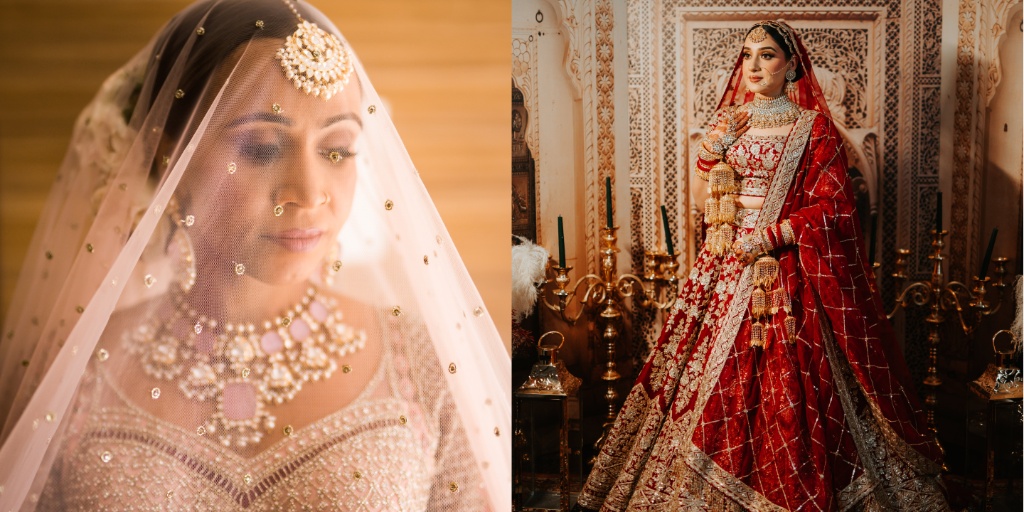
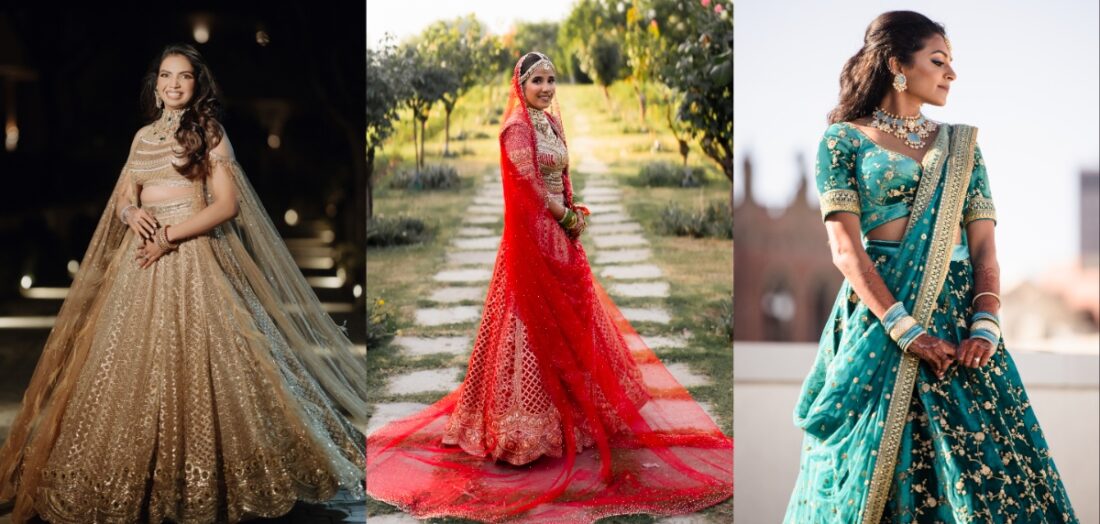
Image Source: Styl Inc
Its Cultural & Traditional Significance
In Indian bridal fashion, the dupatta is not merely an add-on—it is deeply rooted in tradition. It symbolizes grace, respect, and femininity. In many cultures, the act of covering the head with a dupatta during the wedding ceremony signifies humility and reverence. Across regions, the dupatta also plays a role in rituals, making it an essential part of the bridal ensemble.
How the Right Drape Transforms the Entire Bridal Look
A thoughtfully styled dupatta can completely redefine your outfit. For instance, a heavily embroidered dupatta draped neatly over the head creates a royal, traditional look, while a lightly draped dupatta worn cape-style adds a modern, experimental touch. It can highlight your blouse details, elongate your frame, or even add volume and structure to your lehenga.
Why Brides Often Overlook Dupatta Styling
Despite its importance, dupatta styling is often overlooked during outfit planning. Brides tend to focus more on lehengas and jewelry, leaving dupatta draping decisions to the last minute. This can lead to discomfort, constant adjustments, or a look that feels incomplete. Planning your lehenga dupatta draping in advance ensures both visual harmony and ease of movement.
READ MORE: https://styl-inc.com/blogs/bridal-veil-dupatta-drape-styling-trends/
Choosing the Right Dupatta Fabric for Each Function
Your dupatta fabric directly impacts how it drapes, feels, and photographs. Selecting the right fabric for each function is essential for achieving the desired look.
Chiffon & Georgette for Mehendi & Haldi
These fabrics are lightweight, breathable, and easy to manage—perfect for daytime functions where comfort is key. They allow fluid draping and are ideal for relaxed, playful styles. Since these events often involve movement, sitting, and interaction, lighter fabrics prevent discomfort.
Net & Organza for Sangeet
Net and organza strike the perfect balance between structure and lightness. They add volume and drama without being overly heavy. These fabrics catch light beautifully, making them ideal for evening functions and stage performances.
Silk, Tissue & Heavy Embroidered for Pheras
For the wedding ceremony, structured fabrics like silk, brocade, and tissue work best. They hold pleats well and enhance traditional draping styles. Heavily embroidered dupattas add richness and depth, making the bride stand out during rituals.
Lighter Fabrics for Reception
Reception looks often lean towards contemporary elegance. Opt for lighter fabrics like soft net, satin blends, or organza that allow sleek, modern drapes without overwhelming the outfit.
Dupatta Draping Styles for the Mehendi Function

Image Source: Styl Inc
The Mehendi function is all about fun, color, and comfort. Your dupatta styling should reflect this relaxed yet festive vibe.
Casual Side Drape
The side drape is one of the most effortless dupatta styles for every function. Simply pin the dupatta on one shoulder and let it flow naturally. This style keeps your arms free, making it practical for Mehendi application while still looking chic.
Front Palla Style
Draping the dupatta across the front, similar to a saree pallu, adds a fashionable twist. It works particularly well with statement blouses and allows you to showcase intricate embroidery. This style also adds a structured element to otherwise flowy outfits.
Floral Dupatta Styling Tips
Floral dupattas are a major highlight in bridal dupatta styles for 2026. They bring freshness and a playful aesthetic to the look. Keep the drape soft and avoid excessive pinning to maintain a natural flow. Pair with minimal jewelry to let the dupatta stand out.
ALSO READ: https://styl-inc.com/blogs/from-mehndi-to-reception-complete-bridal-styling-timeline/
Dupatta Draping Styles for the Haldi Function

Image Source: Styl Inc
Haldi ceremonies are lively, messy, and full of candid moments. Your dupatta needs to be as functional as it is stylish.
Minimal & Functional Drape
A fuss-free drape works best here. A single shoulder pin or even a loosely draped dupatta ensures you can move freely without worrying about adjustments.
Why Lightweight Fabrics Work Best
Haldi involves turmeric, water, and lots of movement. Lightweight fabrics are easier to manage and won’t weigh you down, even if they get slightly damp.
How to Keep It Photogenic Yet Comfortable
While comfort is key, you still want your pictures to look great. Secure the dupatta at essential points while keeping it slightly loose for a natural, effortless appearance. Asymmetrical drapes often look more candid and organic in photos.
Dupatta Draping Styles for the Sangeet Function

Image Source: Styl Inc
Sangeet is where you bring glamour and energy together. Your dupatta must complement your performance while staying secure.
Cape-Style Dupatta Drape
This style involves draping the dupatta over both shoulders like a cape. It creates a dramatic silhouette and ensures complete freedom of movement—perfect for dancing.
Double Dupatta Styling
Layering two dupattas adds richness and dimension. One can be styled as a cape while the other is pleated or draped traditionally. This look works especially well for heavily styled Sangeet outfits.
Dance-Ready Draping That Stays Put
For high-energy performances, secure your dupatta with multiple pins along the shoulders and waist. Adding hidden loops or hooks ensures it stays in place, no matter how much you move.
Dupatta Draping Styles for the Wedding Ceremony (Pheras)

Image Source: Styl Inc
The wedding ceremony is the most significant part of your celebration, and your dupatta styling should reflect timeless elegance.
Traditional Head Drape
This classic style involves draping the dupatta over the head with neatly arranged pleats. It frames the face beautifully and aligns with traditional aesthetics.
Double Dupatta — The Classic Bridal Look
One dupatta is draped over the head, while the other is styled across the body. This layered look adds volume, depth, and grandeur, making it one of the most iconic wedding dupatta styles India.
Pinning Techniques for a Flawless All-Day Hold
A secure drape is crucial for long ceremonies. Use a combination of U-pins, safety pins, and fashion tape. Anchor the dupatta into your hairstyle and reinforce key points to prevent slipping.
Dupatta Draping Styles for the Reception

Image Source: Styl Inc
Reception looks are modern, sleek, and often more experimental.
Modern One-Shoulder Drape
A structured one-shoulder drape offers a clean and polished look. It’s easy to carry and works well with contemporary lehengas or gowns.
Saree-Style Drape Over Lehenga
This fusion style mimics a saree pallu and is one of the most elegant different ways to wear dupatta for wedding receptions. It adds sophistication and elongates the silhouette.
Minimalist Back Drape for a Contemporary Look
Letting the dupatta fall from the back creates a dramatic, trail-like effect. This style is perfect for showcasing detailed blouse designs.
Pro Tips from Stylists on Dupatta Draping

Image Source: Styl Inc
How On-Site Stylists Manage Dupatta Throughout the Day
Professional stylists continuously adjust the dupatta to maintain its structure and symmetry. They ensure it looks fresh and perfectly styled in every photograph.
Tools & Tricks to Keep Drapes Intact
- Safety pins in different sizes
- Double-sided fashion tape
- Hidden blouse loops
- Lightweight hooks
These tools help secure the dupatta without compromising comfort.
Coordinating Dupatta Colour with Bridal & Groom Outfits
Contrasting dupattas are a major trend in bridal dupatta styles for 2026. Coordinating colors with the groom’s outfit or adding a pop of contrast can elevate your entire look.
Common Dupatta Draping Mistakes Brides Make
Draping Too Loosely or Too Tightly
An overly loose dupatta can slip, while a tight drape restricts movement. Balance is key. Make sure the dupatta sits securely on the shoulder without pulling or shifting as you walk or sit. A well-balanced drape should allow you to move, dance, and pose comfortably without constant adjustments.
Ignoring Dupatta Weight vs. Outfit Weight Balance
A heavy dupatta paired with a lightweight lehenga can pull the outfit down and affect comfort. Always consider the overall weight distribution so your outfit feels cohesive and easy to carry. If your dupatta is heavy, balance it with structured draping and strong pinning for support.
Not Doing a Dupatta Trial Before the Wedding Day
A trial run helps you understand what works best for your outfit, body type, and comfort level. It also helps you identify any pinning issues or discomfort in advance, avoiding last-minute stress. Practicing beforehand ensures you feel confident and effortless on your big day.
Final Thoughts: The Right Drape Makes All the Difference
Your dupatta is the element that ties your entire bridal look together. Understanding dupatta styles for every function ensures that each outfit feels complete, cohesive, and comfortable.
With thoughtful planning, the right fabric choices, and a clear understanding of how to drape dupatta for wedding events, you can create looks that are not only visually stunning but also easy to carry. After all, when your dupatta is perfectly styled, it enhances not just your outfit but your confidence as well.
Keep it styl’ish,
Lakshita Vohra Manchanda
No Comments