
How To Brief Your Stylist: Communicating A Clear Vision
Last Updated on August 11, 2026 by gradienteye
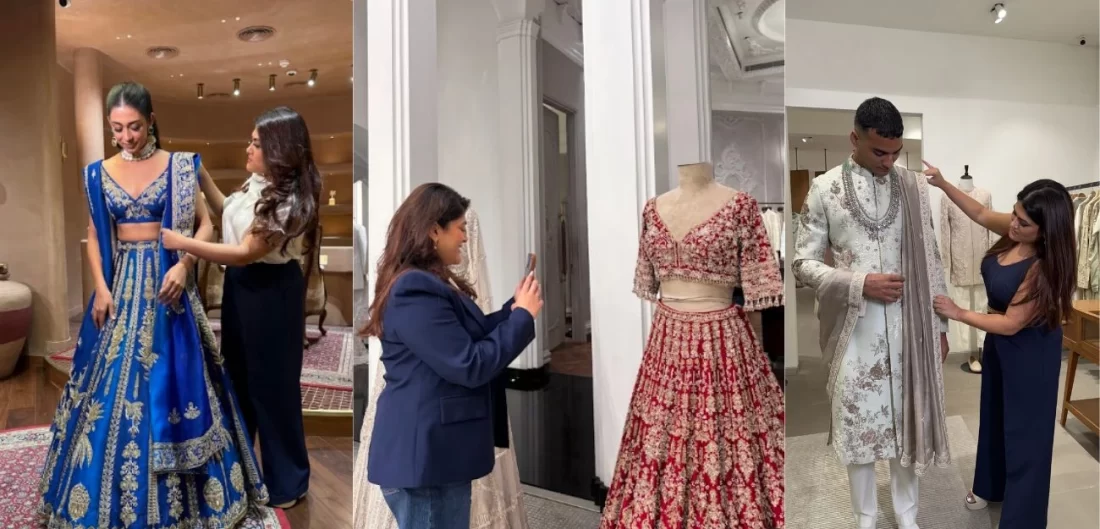
How often have you found yourself struggling to understand how to brief your stylist, leaving them perplexed about your vision? A clear brief goes a long way in creating a seamless wedding experience. Whether it is a preferred color palette, silhouette, fabrics, or the overall aesthetic, every detail plays an essential role in bringing your vision to life. Here is a wedding styling guide on how to brief your wedding stylist and how a professional can help you bring your dream wedding vision to life. Explore Chetna and Varun’s wedding portfolio to see how their stylist brought their vision to life through thoughtfully curated wedding outfits.
Why The Brief Matters More Than The Budget
What happens when brides show up to a consultation without a clear brief
When you brief your stylist at a consultation, a vague brief can become less effective. A stylist may need to spend some time comprehending your preferences before recommending outfits.
The difference between a vague brief and a useful one
A vague brief lacks clarity and direction, making it difficult for the stylist to understand your preferences. As a result, the consultation may take longer. A useful brief includes the details such as preferred styles, colors and wedding functions. This helps the stylist curate your bridal wardrobe seamlessly.
Why a strong brief saves time, money and last-minute stress
To communicate your wedding styling vision, a strong brief saves time, money and last-minute stress by giving the stylist a clear understanding of your preferences and budget. It helps streamline the outfit options, reducing unnecessary appointments and impulse purchases.
Step 1: Know What You Are Trying To Feel Before What You Talk About, What To Wear
Source: Styl Inc
Start with feelings, not outfits
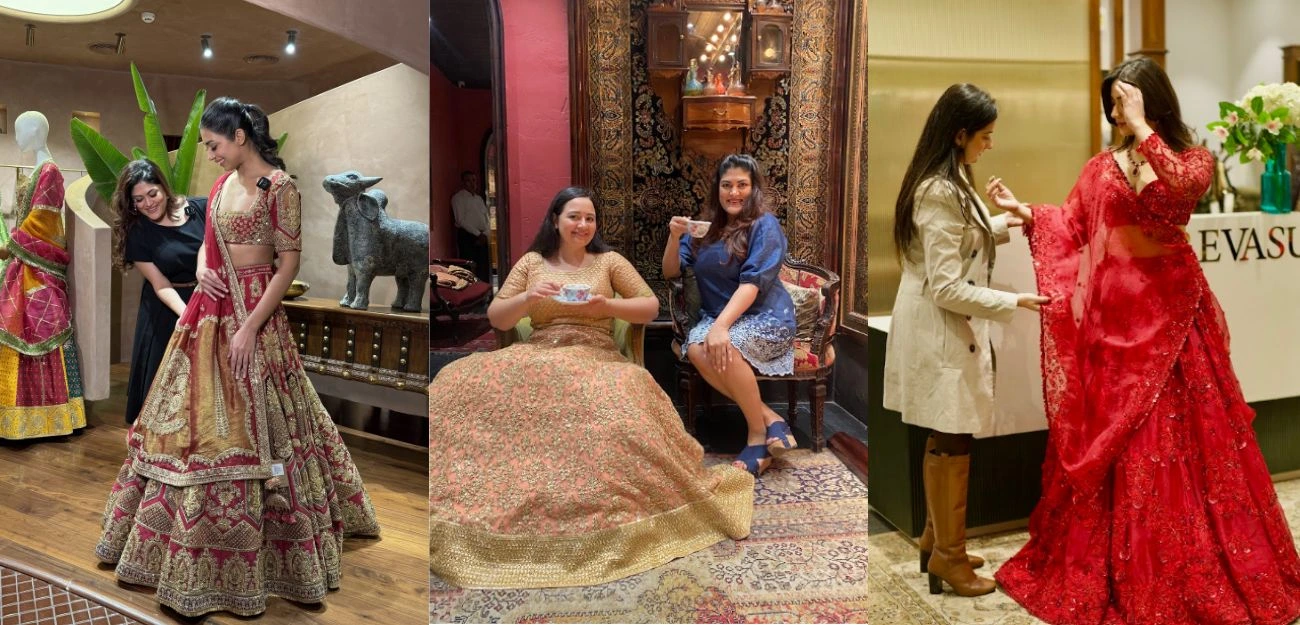
To explain your bridal look to the stylist, start by discussing how you want to feel throughout your wedding celebrations. Whether you want a regal, romantic, or classic look, explaining the overall vibe of the wedding gives the stylist a clear direction. This helps your stylist understand your vision and create a cohesive bridal look that reflects your personality.
Questions to ask yourself before your first consultation
- How do I want to feel on the wedding day: traditional, modern, or both?
- What type of silhouette and hues look best on me?
- How does the venue, theme, and season influence my outfit choices?
- Are there any styles I want to avoid?
- Is my budget enough for bridal styling?
Step 2: Build A Mood Board That Is Actually Useful
A mood board should contain 7-9 visuals that showcase your vision, theme, and outfits. Share your preferred color palette, outfit trends, fabrics, embroidery, accessories and makeup. Add notes on what you like in every visual, along with practical details such as wedding venue, season and comfort. A clear mood board helps your stylist curate your bridal wardrobe seamlessly.
How to build a useful function-wise moodboard
To brief your stylist, start by creating a mood board for each function rather than creating one large mood board. Create separate sections for events such as engagement, mehendi and wedding ceremony. For each function, add references for outfits, color palettes, accessories, and hairstyles that complement the overall mood and the dress code of the event. This gives your stylist a clear understanding of how you want each event to look.
What to include beyond outfit images
Beyond outfit images, it is useful to include fabric swatches or color chips that outline the theme. Add sketches of outfits or references that reflect the desired fit and silhouette. Also include hair and makeup references that complement the outfit, as well as visuals of the wedding venue, to ensure that the styling aligns with the overall theme.
Step 3: Know What You Do Not Want and Say It Out Loud
Source: Styl Inc
Negative references are just as valuable as useful ones
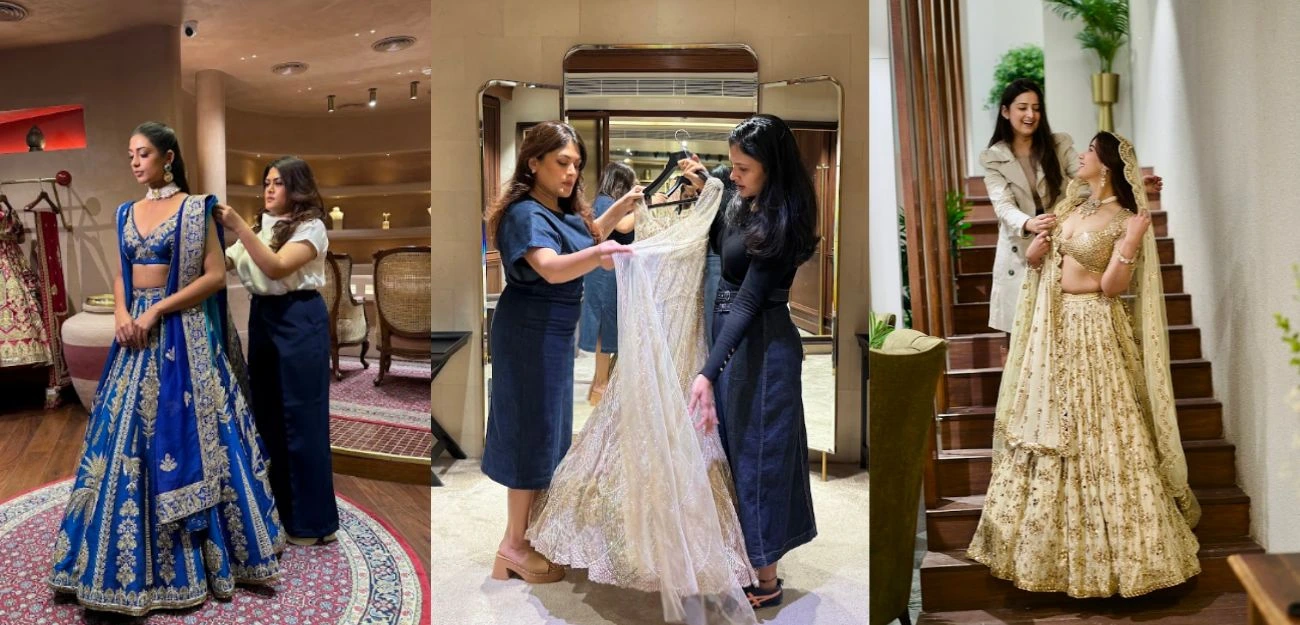
Knowing what to tell your wedding stylist involves sharing not only what you want but also what you don’t want. Whether it is a specific color, silhouette, fabric, or embellishment, communicating your preferences helps streamline the options and ensures your stylist creates a look that reflects your personality.
Common things brides forget to mention
Wedding stylist consultation tips include sharing details that are often overlooked, such as outfit elements you want to avoid, such as necklines, silhouettes, heavy embellishments, or certain fabrics. It is also important to share your budget for each function, your comfort preferences, and whether you prefer lightweight or heavily embellished outfits. Don’t forget to discuss the venue and the expected weather, as both play an important role in determining outfit choices. These details will help your stylist recommend outfits that align with your personal style and vision.
Step 4: Be Honest About Your Budget From Day One
Why brides avoid stating a budget and why that always backfires
You may often avoid stating your budget because you are concerned that your stylist will only show outfits within that range or judge your preferences. You may not have finalized your budget and prefer to keep your options open. However, this can backfire because:
- This can lead your stylist to suggest outfits that do not align with your budget.
- You may need to compromise at the last minute, which can impact the overall wedding wardrobe.
How to give a realistic budget range rather than a single number
Rather than sharing a fixed number, give your stylist a budget range, as this provides flexibility while keeping in mind your spending limit. This helps your stylist select outfits that balance style, quality and value.
Step 5: How To Give Useful Feedback at Fittings
Source: Styl Inc
The wrong way to give feedback
Rather than saying I don’t like it, explain why it may not work- whether it’s a color, silhouette, fabric, or embellishment. Specific feedback helps your stylist improve their work and avoid suggesting options that do not align with your vision.
The right way to give feedback
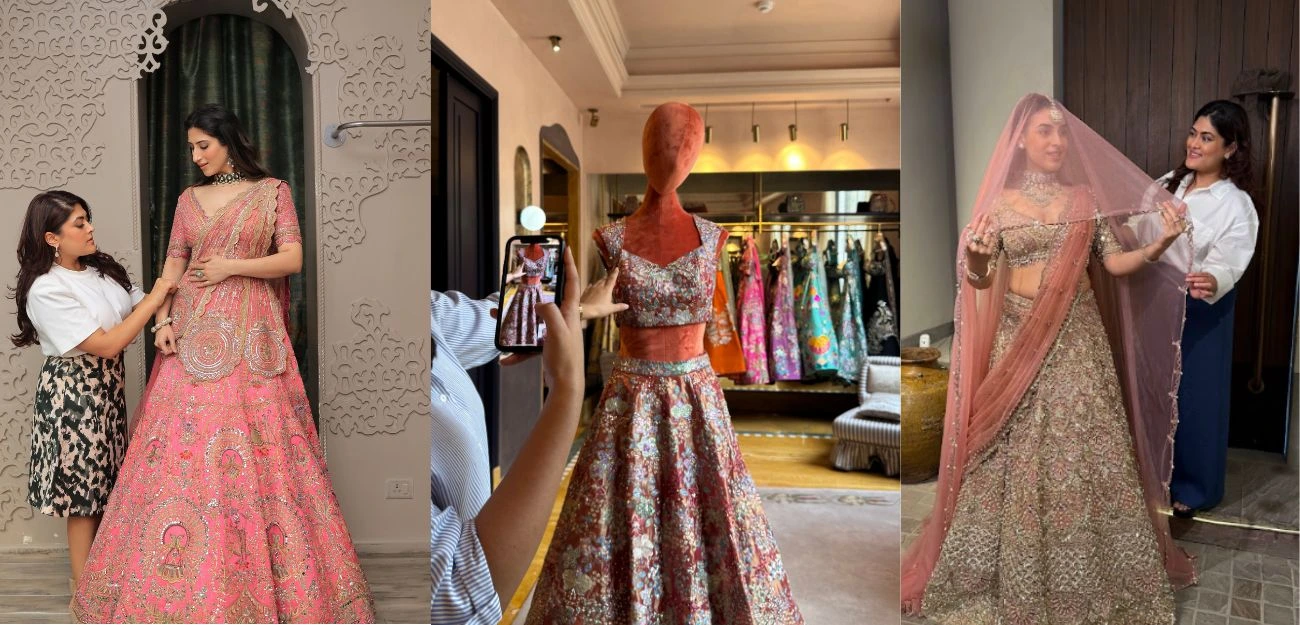
To give useful feedback during fittings, be specific about what you like and what you’d change. Rather than giving a one-word response, explain why you like a specific color, embellishment, or silhouette. Detailed feedback helps your stylist refine their work and align expectations with your vision.
What to check at every fitting beyond how it looks
A bridal outfit goes beyond fitting; it is also important to check whether you can sit, walk, climb stairs, and dance comfortably. Raise your arms, bend and turn to ensure your outfit allows ease of movement. Check that the straps, cups and cancan offer enough support. Finally, check that the hem complements your footwear and does not cause you to slip.
Step 6:Managing Family Opinions In The Brief
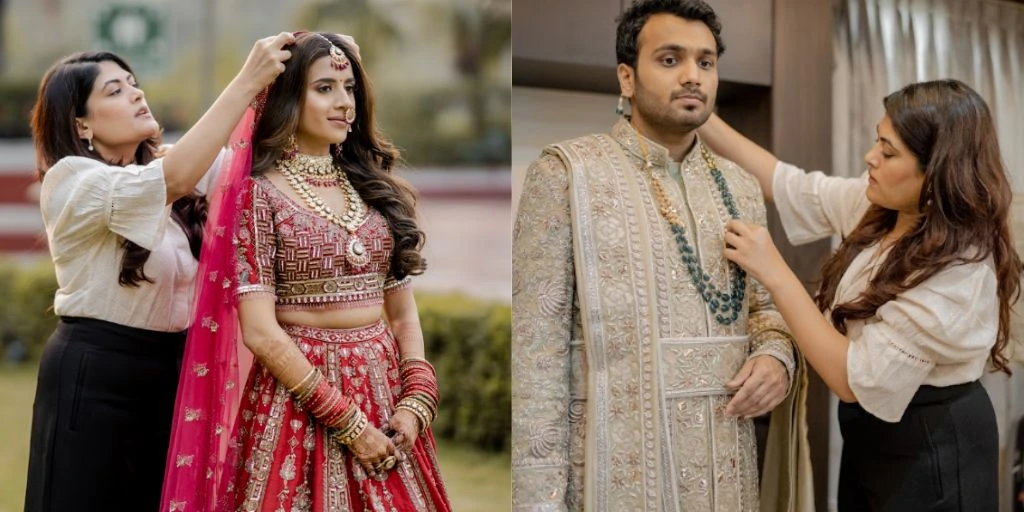
Source: Styl Inc
How to communicate what your family wants versus what you want?
Be open with your stylist about which preferences come from your family and which are yours. If there are differences in the opinions, whether it is the outfit, accessory or any other detail, explain them clearly so your stylist can find options that align with yours as well as your family’s expectations.
How can a good stylist navigate family dynamics during the briefing process?
A good stylist doesn’t just listen to the bride; they also consider the family dynamics that influence outfit choices. During the briefing process, they understand everyone’s perspective and identify which decisions are non-negotiable to balance family expectations.
Setting clear decision-making authority before the consultation begins?
To brief your stylist effectively before the consultation, discuss how styling decisions will be made if multiple family members are involved. A good stylist listens to everybody’s opinions and helps family members reach a decision that respects everyone’s views. Having a clear decision-making process minimizes confusion and keeps the process smooth.
Common Briefing Mistakes Brides Often Make
Bringing too many people to the consultation and letting opinions conflict
Bring only a few people to the consultation who understand your vision and preferences.This can make the decision-making easier.
Changing the brief halfway through the process without acknowledging the cost
Changing the brief halfway through the process can delay the timelines and budgets, affecting the final result.
Not sharing body comfort concerns until the wedding day
Share any comfort concerns early in the process so your stylist can make timely alterations instead of on the wedding day.
Expecting the stylist to read your mind instead of reading the brief
Be clear about your vision and preferences. The more specific your brief, the better your stylist will understand and curate outfits that align with your expectations.
Conclusion
Just like every coin has two sides, a brief can also work in two ways. Briefing your stylist helps them understand your vision, preferences and budget, whereas a vague one can create confusion and make it harder for your stylist to understand your expectations.
Until next time
keepin’it stylish,
Aparna Iyer
No Comments