
How Often Should You Communicate with Your Stylist During Planning?

Common uncertainties brides have after hiring a stylist is not about choosing the outfits but about communication. How often should you hear from your stylist? Should you follow up, or will they reach out first? Is a quiet week normal, or should you be concerned? The answer to all these questions depend on where you are in your wedding planning journey. A good stylist won’t need to message you every day, but will always keep you informed about what is happening, what comes next, and when you need to make a decision. In this blog by Styl Inc., let’s understand in detail how often you should communicate with your stylist during wedding planning.
Also Read: https://styl-inc.com/blogs/how-to-brief-your-wedding-stylist/
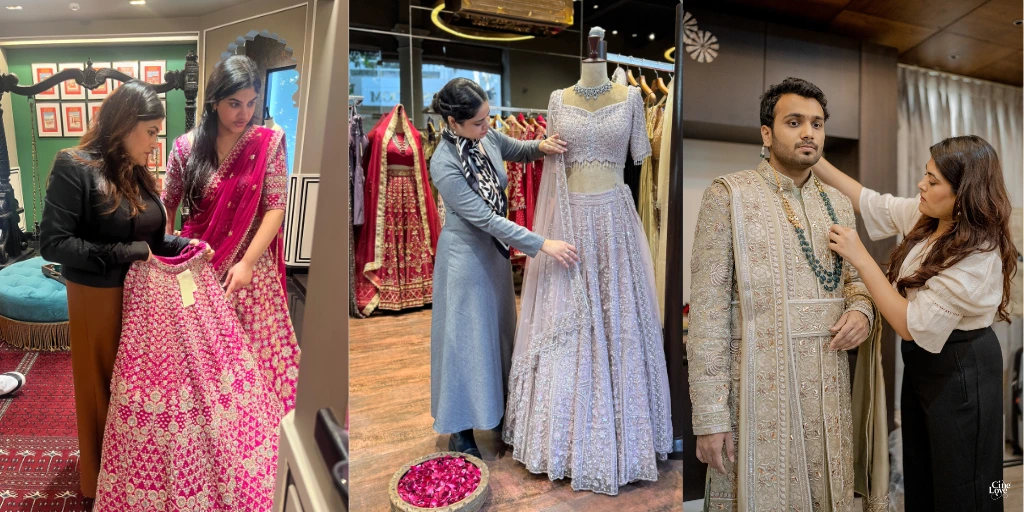
Why Communication Frequency Isn’t the Same Throughout Planning
Credits: Styl Inc.
Styling Isn’t a Constant, Evenly-Paced Process: It Moves in Phases
Wedding styling doesn’t move at a constant and even pace. It moves in phases, some weeks involve several decisions, appointments, fittings, and approvals, while others may involve the stylist coordinating behind the scenes. One of the most important parts of knowing how often to talk to your wedding stylist is to understand these wedding styling phases. The early planning stage is the most communication-heavy as the stylist needs to understand your wedding functions, personal style, budget, preferences, family requirements, and expectations. Once all these decisions are established, the wedding styling process can become quieter while designers, tailors, or vendors work on the agreed details.
Heavy Communication Phases Versus Quiet Execution Phases
There is a big difference between being unavailable and simply having nothing new that requires your input. During the execution phase, your stylist may coordinate with designers or monitor the progress without sending you daily updates. Communication with your wedding stylist should naturally increase again when a decision, fitting, approval, alteration or a deadline is approaching. This is why having a good wedding stylist check in schedule is usually milestone-based rather than based on sending a certain number of messages every week.
Why Radio Silence During a Quiet Phase Isn’t a Bad Sign by Itself
A week without any message from your stylist is not a problem. If your stylist has already confirmed that your outfit is in production and there are no other decisions pending from your side, there may simply be nothing more urgent to discuss. The important question here is whether you know why things are quiet. Good wedding stylist communication expectations are built around transparency. You should know what stage your styling process is at and when you should expect the next meaningful update.
Also Read: https://styl-inc.com/blogs/why-hire-a-wedding-stylist/
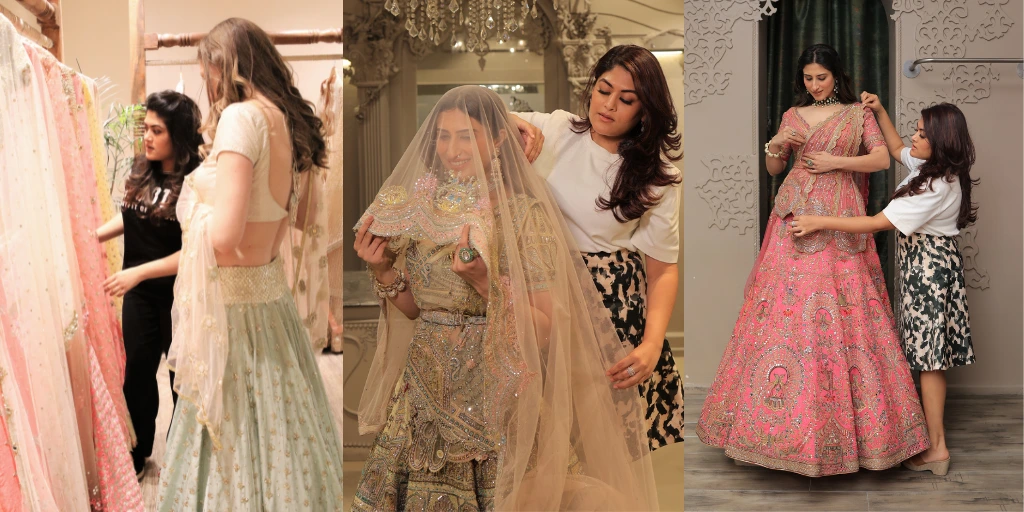
The Communication Rhythm at Each Stage
Credits: Styl Inc.
Initial Consultation and Brief-Building: Frequent, Detailed Back-and-Forth
The initial communication stage is one of the most interactive stages. Your wedding stylist will take the time to understand your wedding dates, functions, venues, cultural preferences, outfit requirements, color preferences, existing jewelry, shopping plans, and the overall wedding aesthetic you want. During this stage, you can expect detailed conversations, reference images, questions, mood boards, and revisions. This is also the time when you should ask questions about what to expect working with a stylist, the communication channels, response times, appointment coordination, and how decisions will be documented.
Shopping and Designer Appointments: Regular Updates Tied to Actual Appointments
Once the wedding shopping begins, the communication becomes connected to your appointments rather than following a weekly schedule. You may have several conversations before an important designer appointment, followed by a quieter period where outfit options are being sourced. Your stylist may share shortlisted options, confirm appointment timings, discuss what you should carry, and follow up after each appointment. This makes communication purposeful instead of filling your phone with unnecessary updates.
Fittings and Alterations: Check-Ins Tied to Fitting Milestones
Fittings and alterations are another communication-heavy stage as small details can significantly impact how an outfit looks and feels. Your stylist may discuss details like blouse measurements, sleeve lengths, neckline adjustments, hem lengths, footwear height, dupatta draping, or jewelry placement with you at this stage. This is where bridal styling timeline communication becomes important. You should know when fittings are scheduled, what needs to be checked, and whether another trial is required before the outfit is considered complete.
Final Weeks Before the Wedding: More Frequent, Detail-Focused Confirmations
As the wedding approaches, the communication naturally becomes more and more frequent. The focus shifts from broad styling decisions to final confirmations. Outfits need to be checked, accessories matched, footwear confirmed, jewelry organised, and any outstanding alterations completed. Your stylist check-ins before wedding may now happen several times within a week, especially if multiple functions are taking place close together.
Wedding Week and Day-Of: Real-Time Coordination
During the wedding week, the communication becomes much more immediate. Outfit timings, venue schedules, makeup appointments, draping, jewelry changes, family styling, and last-minute adjustments all may need coordination at this time. This is where a wedding day stylist India service makes a significant difference. Instead of the bride remembering every detail, the styling team can coordinate the moving pieces around her.
Also Read:https://styl-inc.com/blogs/is-a-wedding-stylist-worth-the-investment/
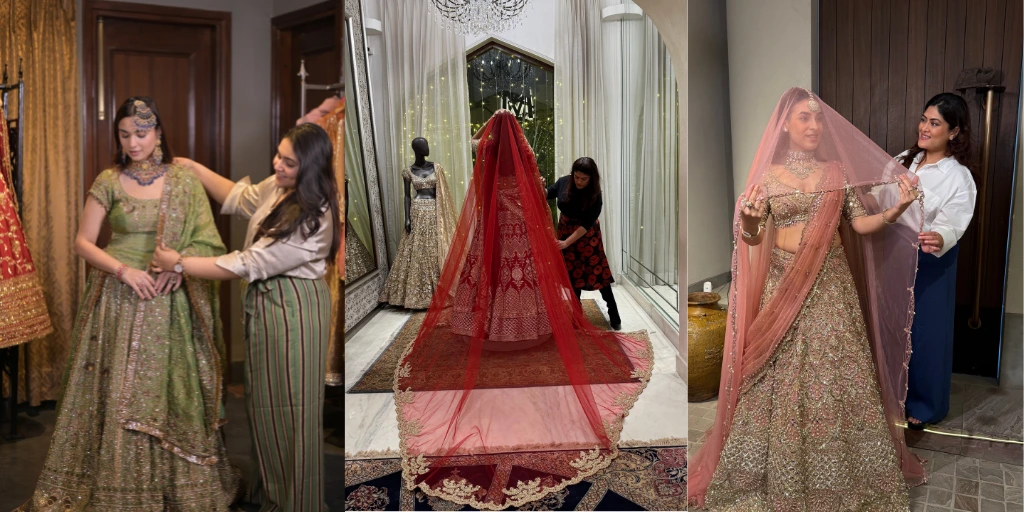
What a Healthy Communication Pattern Looks Like
Credits: Styl Inc.
A Clear Point of Contact Instead of Messages Disappearing Into a Team
One of the most reassuring things about working with a wedding stylist is knowing exactly who you should contact. Even when multiple people are involved behind the scenes, the bride shouldn’t feel as though every message disappears into a large group. Having a defined point of contact creates accountability and makes it easier to keep track of decisions.
Updates Tied to Milestones and Decisions, Not Just Generic Check-Ins
‘Just checking in’ messages aren’t really useful if there is nothing meaningful to discuss. A stronger communication process connects updates to something meaningful like an appointment has been confirmed, a designer has shared an option, a fitting is complete, an alteration is required, or a deadline is approaching. This is one of the biggest differences between frequent communication and effective communication.
A Stylist Who Tells You What’s Happening Even When There’s Nothing Urgent to Decide
Good communication is not only about bringing problems to the bride. It is also about providing reassurance. For example, if an outfit is being customised and everything is going according to schedule, your stylist can simply let you know that the piece is on track and explain when the next update will come. That small message can prevent unnecessary anxiety.
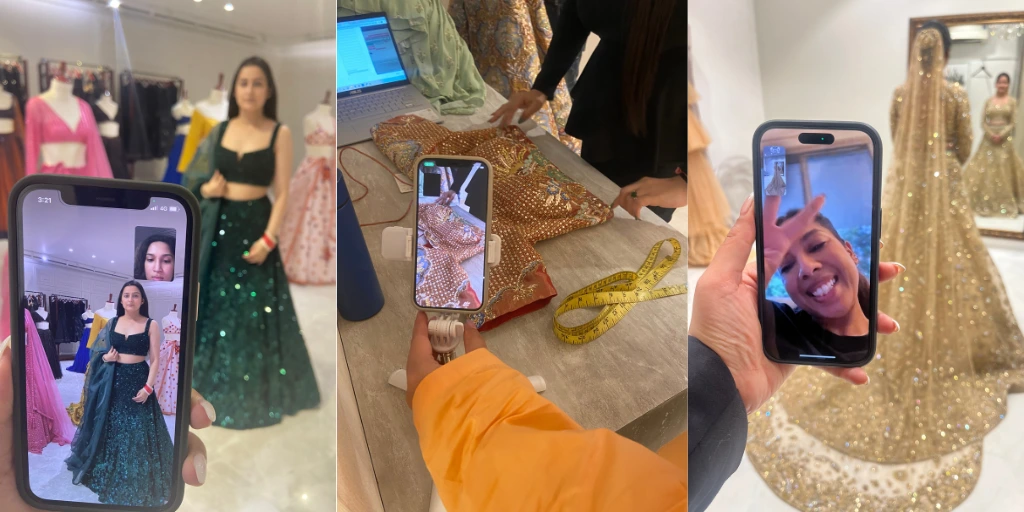
How This Changes for NRI Brides
Credits: Styl Inc.
Scheduled Video Calls Across Time Zones Instead of Ad Hoc Check-Ins
For an NRI bride, communication needs to have additional structure. With different time zones spontaneous calls become inconvenient, especially when designers, stylists, and family members are spread across different locations. Scheduling video consultations allow important decisions to happen at mutually convenient times. This is an important part of effective NRI bride stylist communication.
More Front-Loaded Communication Before the India Trip
If you’re traveling to India for only a few days, you can’t spend your first day figuring out what you want. Designer shortlists, color palettes, silhouettes, budgets, and appointment schedules should be discussed before you leave for India. This means NRI clients often have more communication before their India trip and a highly concentrated schedule while they are there.
Real-Time Updates During the Compressed In-Country Window
Once the bride arrives, the communication becomes fast and practical. Appointment confirmations, travel timings, fittings, outfit decisions, and designer follow-ups may all happen within a short period. A stylist who has already prepared the groundwork can help make this compressed window significantly more efficient.
Why Written Summaries After Calls Matter More for Remote Clients
Written summaries are particularly useful when managing your wedding from abroad. After a video call, having the final decisions recorded can prevent confusion around colors, measurements, budgets, deadlines, or outfit selection. It also gives the bride a reference point when several functions and vendors are being managed simultaneously.
How to Tell the Difference Between Responsive and Overwhelmed
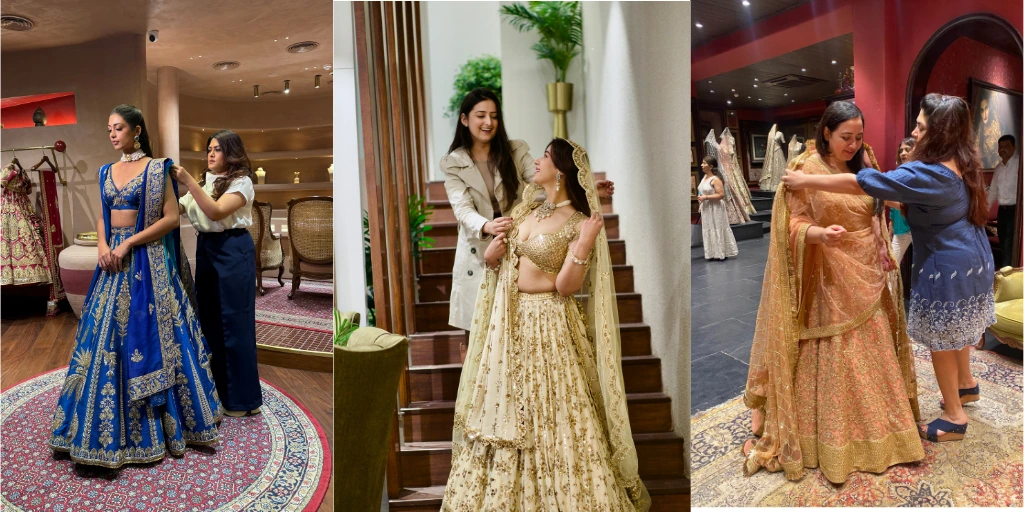
A Responsive Stylist Sets Expectations Upfront
A professional stylist should explain their communication process early. You should know how the updates will be shared, what the expected wedding stylist response time is during working hours, and when you can expect more frequent communication. This doesn’t mean every message receives an immediate response. It means the process is predictable.
An Overwhelmed Stylist Goes Quiet During Phases That Should Have Activity
A quiet phase in wedding stylist communication isn’t concerning by itself. Silence becomes more worrying when something important is actively happening and you’re not receiving any information. Important details like if a fitting is scheduled, an outfit is supposed to arrive or an important alteration is pending, you should be receiving an update even if the need isn’t final yet.
Questions to Ask Early
It is important to ask how many weddings your stylist is managing during the wedding period and how their team handles overlapping events. You can also ask who handles the communication when the main stylist is unavailable. These questions aren’t about monitoring the stylist but about understanding the process before you commit.
Why a Clear Process Matters More Than Constant Messaging
The best stylist is not necessarily the one who sends the most messages. It is the person who knows when communication matters and makes sure you aren’t left guessing. A structured wedding styling process creates confidence without requiring constant communication.
What Brides Should and Shouldn’t Expect to Initiate
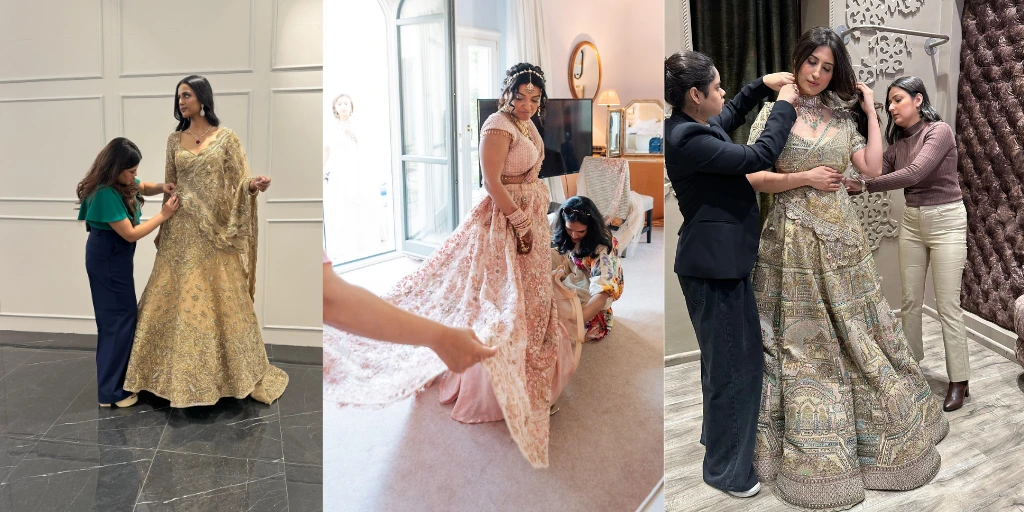
Credits: Styl Inc.
Reasonable to Expect: Proactive Updates at Each Milestone
Your stylist should take responsibility for keeping you informed about important stages. If an appointment is confirmed. a fitting is completed, an alteration is recommended, or an outfit reaches an important milestone, you shouldn’t always have to ask first.
Reasonable for the Bride to Initiate: Questions and Changes
You should absolutely reach out to your stylist when you have questions, want to change your mind, discover a new outfit inspiration, or need to add something to the brief. Styling is a collaborative process, so your stylist needs to know when your preference changes.
Not Reasonable to Expect: Instant Replies at All Times.
Even a highly responsive stylist may not reply to you immediately during another client’s fitting, a shopping appointment, travel, or outside working hours. A healthy wedding stylist communication expectations framework recognizes that responsiveness means reliable follow-through, not being available every minute of the day.
Setting Communication Expectations at the Start
Questions to Ask During the First Consultation
Before you hire a stylist, you should ask them how their styling process works from consultation to final wedding day coordination. Inquire how often they generally update clients, what happens between milestones, and how urgent matters are handled. Understanding how the bridal styling process works also makes it easy to recognize what communication you should expect from your stylist at different stages.
Agreeing on a Primary Channel
Choose a primary communication channel instead of scattering decisions across various platforms like WhatsApp, email, Instagram, and multiple phone calls. Your stylist may use messaging for quick updates, email for detailed information, and calls for deacons that need discussion. The important thing is that both sides know where the final decisions are being recorded.
Confirming Who to Contact During Wedding Week.
Wedding week is different from regular planning. You should confirm who your direct contact will be when you need urgent styling ass, especially i’d have on-site styling support. Knowing this in advance helps to eliminate unnecessary questions when you’re already dealing with a packed schedule.
How Styl Inc. Structures Communication Through the Process
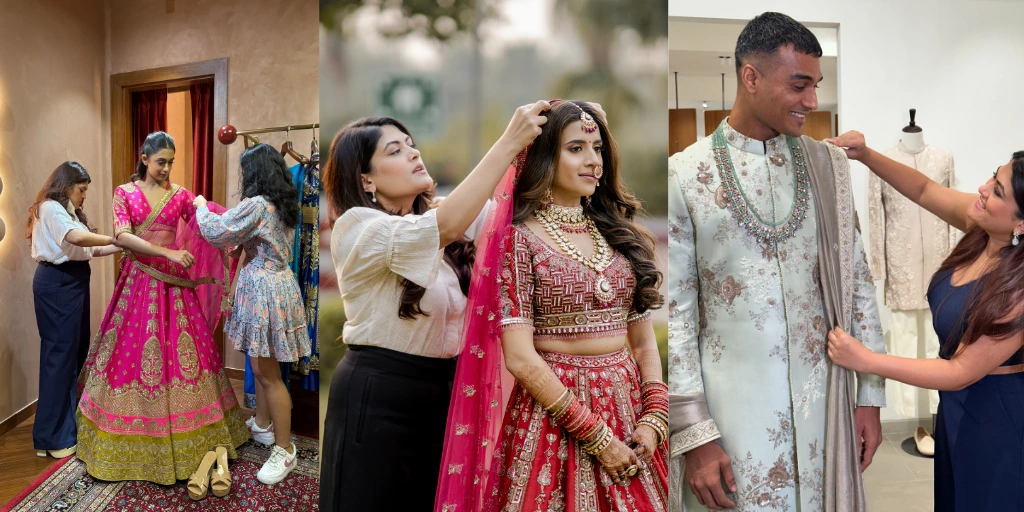
Credits: Styl Inc.
At Styl Inc. we understand that communication should support the styling process instead of adding to the bride’s workload. The Styl Inc. communication process is structured around the stage of planning, with expectations discussed from initial consultation onwards. Our team establishes the communication rhythm, explains upcoming milestones, and keeps clients informed as decisions move from planning, shopping, fittings, alterations, and final styling. At Styl Inc, our goal isn’t to overwhelm you with constant messages, but to make sure you always know what has been decided, what is currently happening, and what needs your attention next. Book a consultation with Styl Inc. and get a clear communication plan from day one, tailored to your wedding timeline, functions, and styling needs.
Until next time
Keepin’ it Stylish
Signing off
Tasneem Lokhandwala
No Comments